
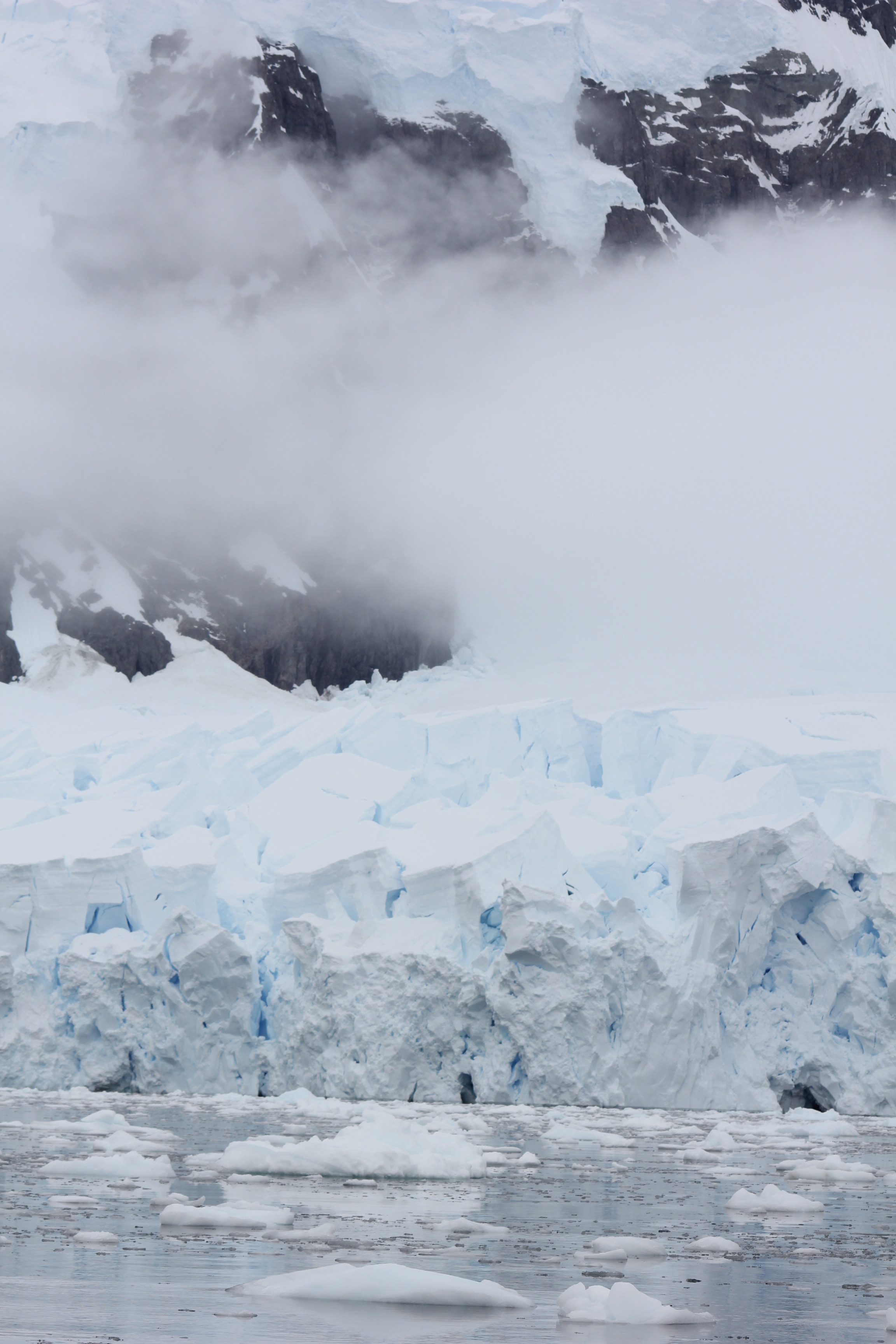
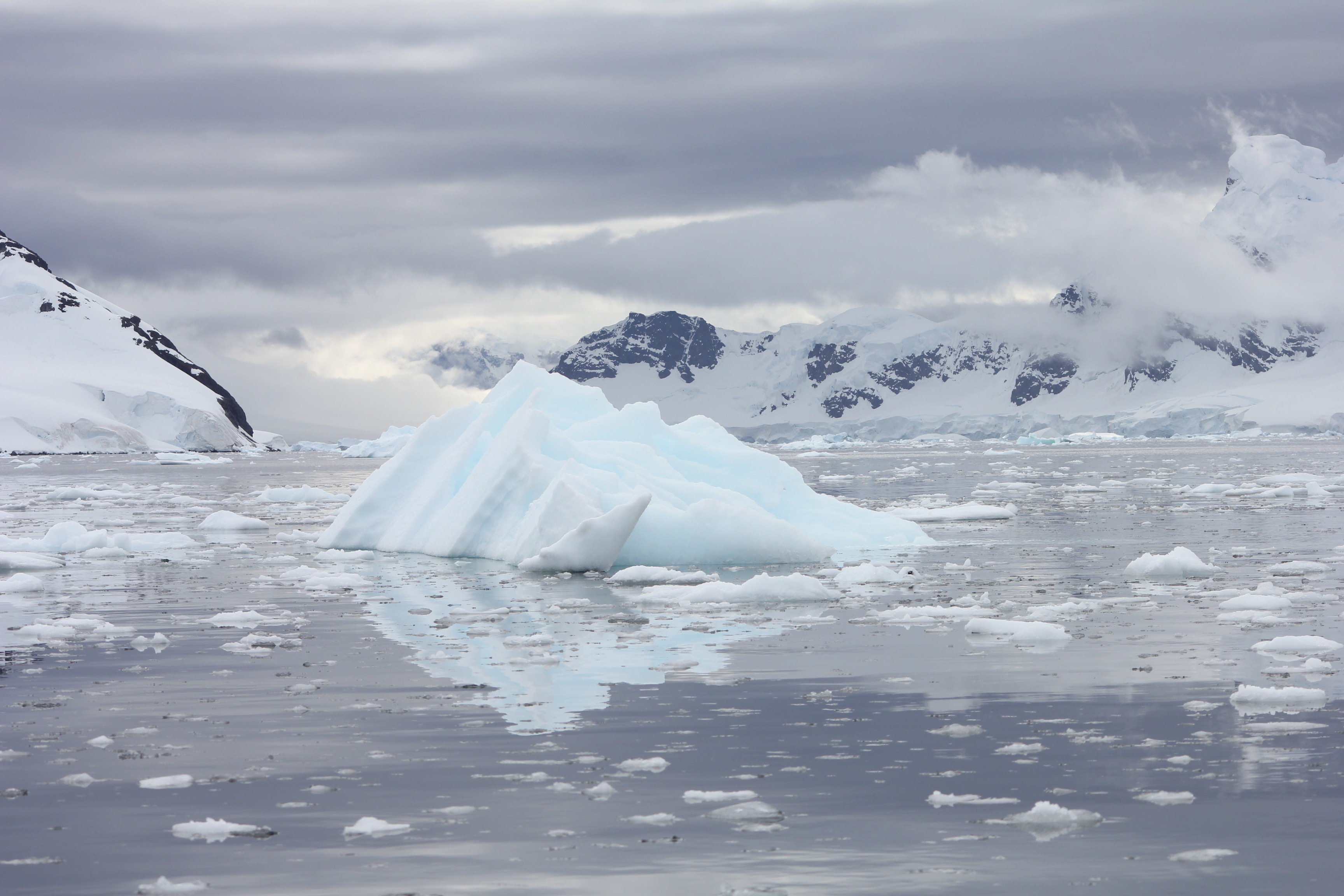
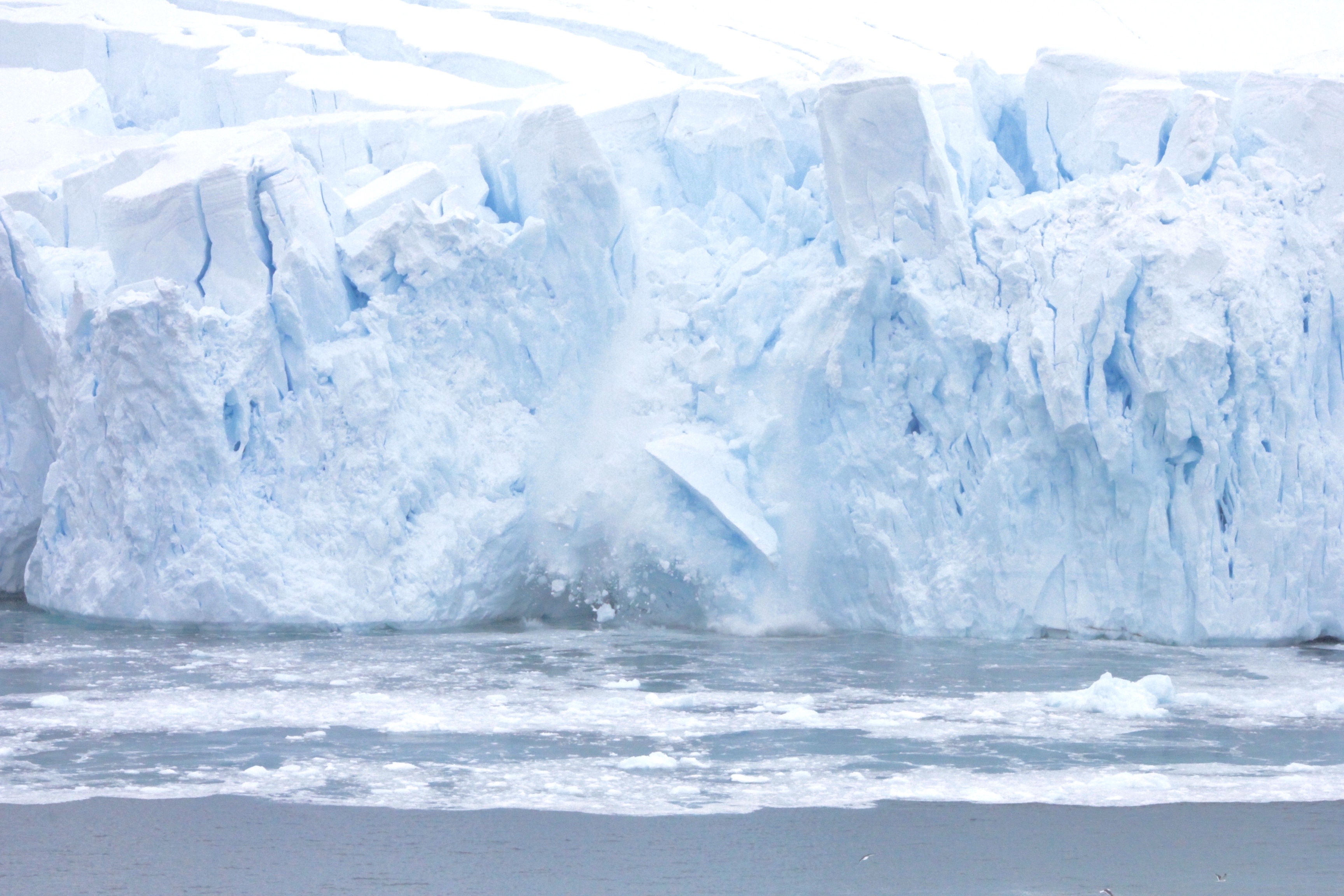
Have you ever heard true silence? Between the avalanches tumbling to the sea, the creaking sound of ice beneath my feet, the gawking of the seabirds and the roars of a chunk of glacier breaking off, I stood completely still on the Antarctic Peninsula and all I heard was pristine silence. True silence. Antartica is the quietest place in the whole world yet spend but a mere day there and you’ll realize just how deafening silence can be.
A few moments later and you’re in the middle of the most incredible auditory sensory experience of your life with the endless chatter of hundreds of Emperor Penguin chicks, the ear-piercing singing of the albatross and the deep growling of fur seals fighting, all while standing at the end of the world.
Antartica is the most unique place in the entire world.
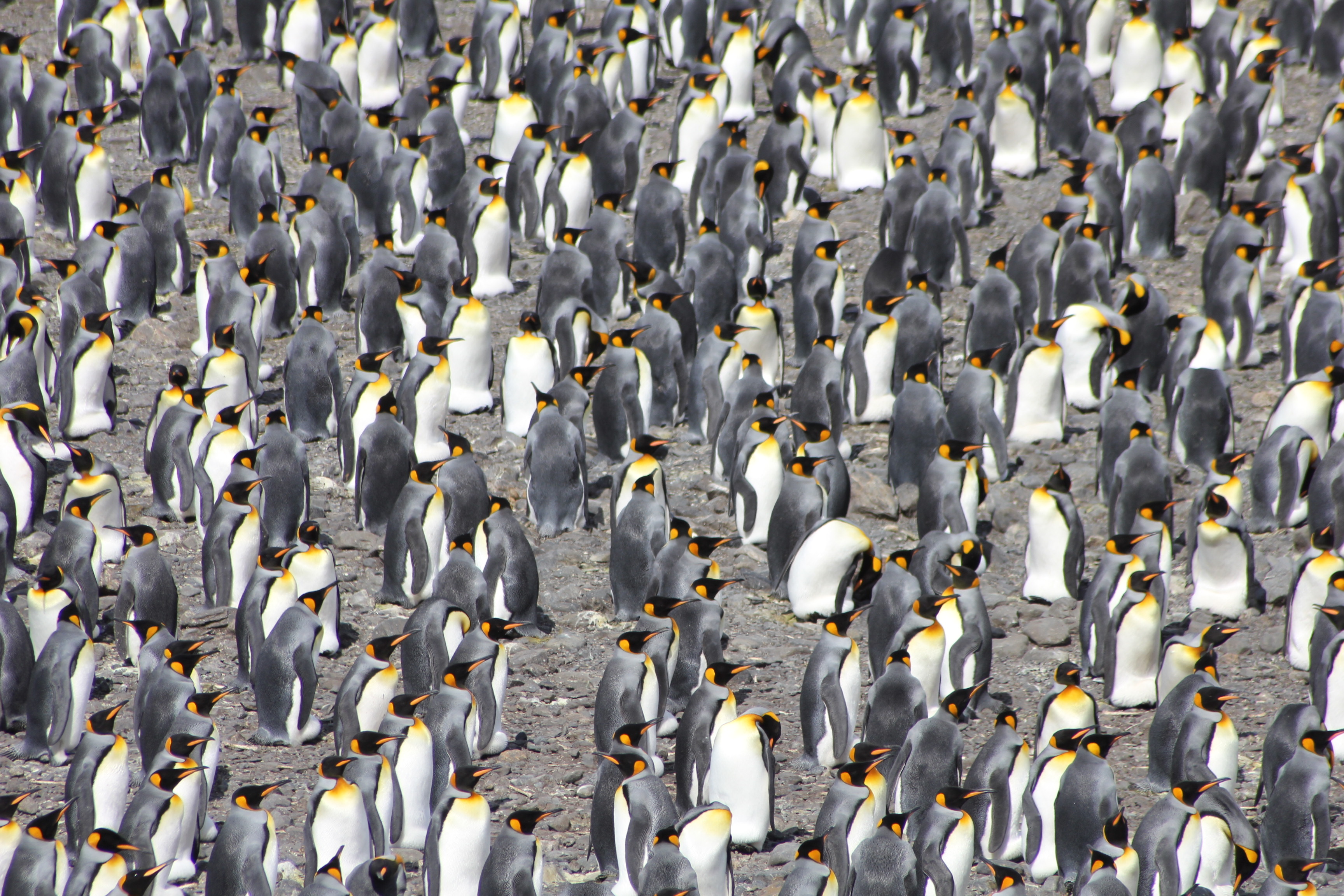
Today, December 1st, is Antartica Day. Antartica Day is an international holiday that celebrates the signing of the Antartica Treaty in 1959 and the setting aside of 10% of earth to be exclusively used for peaceful purposes for all of mankind. December 1st is an important day to me because it’s an opportunity to learn more about the continent but also share my knowledge and adventures with you of when I traveled to Antartica in 2019.
Antartica has only two principal holidays: Antartica Day and Midwinter Day. Midwinter Day is an annual celebration held across Antarctica on the day of the southern winter solstice on June 20th or 21st. I traveled to the continent in December, in the middle of its summer solstice.
Traveling to Antartica was the most magical experience that I will never stop talking about. I haven’t fully written about my excursion in detail yet and it’s long overdue. Abercrombie & Kent’s Antarctica, South Georgia & Falklands Luxury Cruise was our ticket to Antartica and I will be taking you on our journey to Antartica through my eyes and perspectives. I traveled with my father and I’m so happy I was able to experience this with him.
Le Lyrial
There are no commercial flights to Antartica, so obviously boat was our mode of transportation throughout our trip. “Le Lyrial” was the name of our 466 foot long boat that holds 200 travelers total with a variation of rooms and suites to choose from. The boat has multiple observation decks, outdoor heated pool, library, fitness center, full-service spa, boutique, and a 24-hour medical facility. The two lounges, a club with live music and a panoramic bar with a terrace, make up the front and back of the boat. There’s also two restaurants onboard and a huge theater that fits all guests. The food was outstanding, featuring French-inspired cuisine and the sommelier matched every meal perfectly with a bottle of wine. An amazing part about the entire trip was the daily classes held in the theater. The Expedition Team that joins each excursion taught us about the wildlife, climate, and even new photography skills.

Our Itinerary
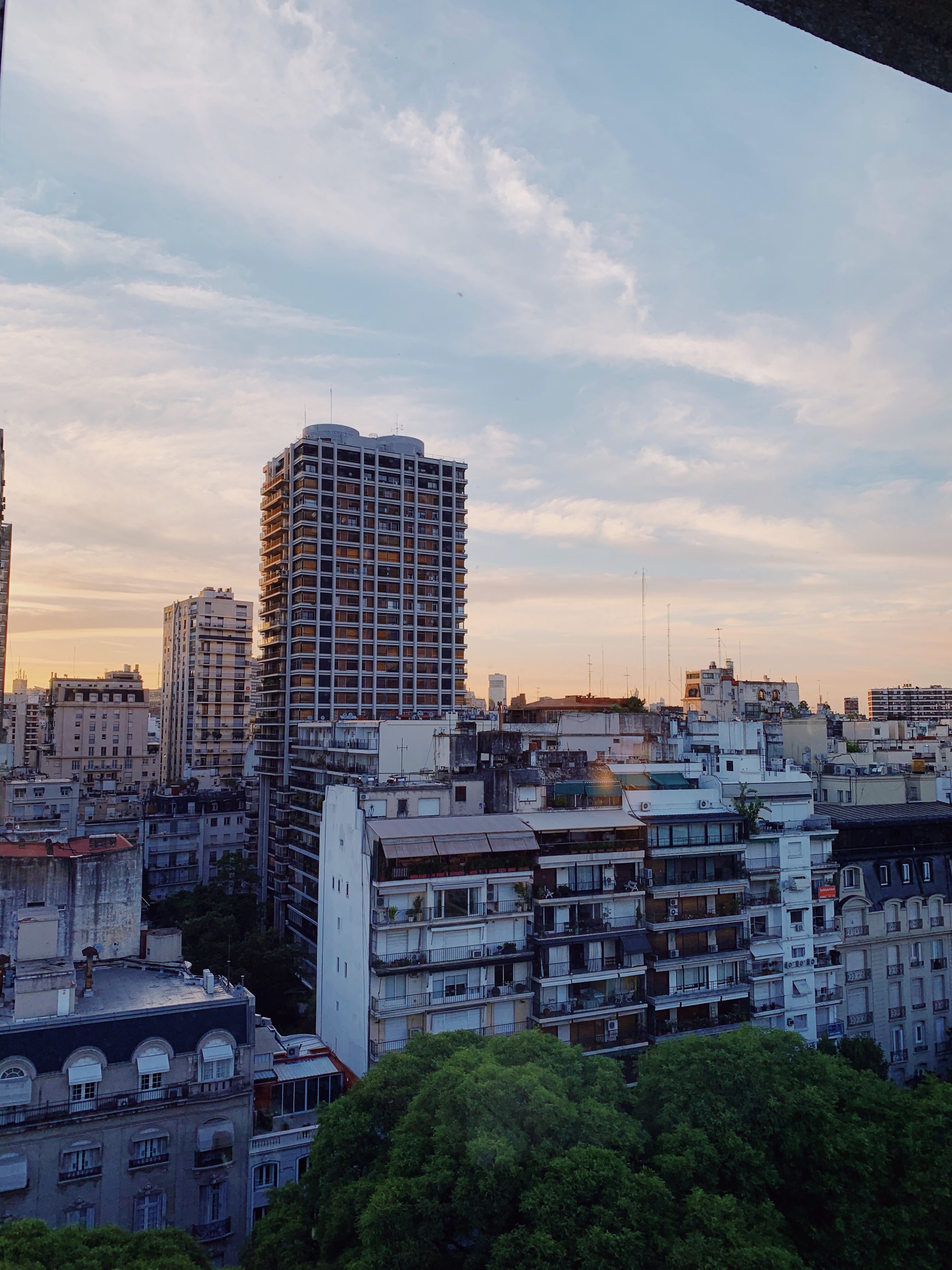
Day 1-2: Buenos Aires, Argentina
The first stop in our trek to Antartica was Buenos Aires, Argentina’s capital city. We were only in the city for a limited time, but we walked a lot to see as much of the city as possible. During the day, we visited Mercado San Telmo, one of the most famous markets in Buenos Aires. This large-scale market was definitely a highlight. It was built in 1987 and was declared a national monument in 2000. It is a popular destination among tourists because of its classic, traditional vibe along with their stunning cobblestone streets. There is also a large selection of antique stores, food stalls for some traditional street foods like the mouthwatering empanadas and choripan, and make sure to wash everything down with a cup of aromatic Colombian coffee. For our hotel, we stayed at Palacio Duhau – Park Hyatt Buenos Aires and it was extremely impressive. I’m so excited for my next visit to Buenos Aires to explore more.
Day 3: Ushuaia, Argentina
Our boat to Antartica was leaving out of Ushuaia, Argentina, so we needed to take one more flight. Ushuaia is the southernmost city in the entire world. It is a small town, but the Beagle Channel is filled with big boats and has lots of character. We took a trek through Cerro Alarken Nature Reserve before finally getting on our boat for departure.
Day 4-5: Drake Passage
A couple dramamine pills later, we were officially out at sea. Crossing the Drake Passage was such an insane experience because you couldn’t even walk around the boat without slipping and sliding everywhere. The Drake Passage is where the Atlantic, Pacific, and Southern seas meet, and because the currents here reach no resistance from any nearby landmass, they are some of the choppiest waters in the world.
Check out this Instagram post to see the waves crossing the Drake Passage.
Day 6-8: Antarctic Peninsula and South Shetland Islands
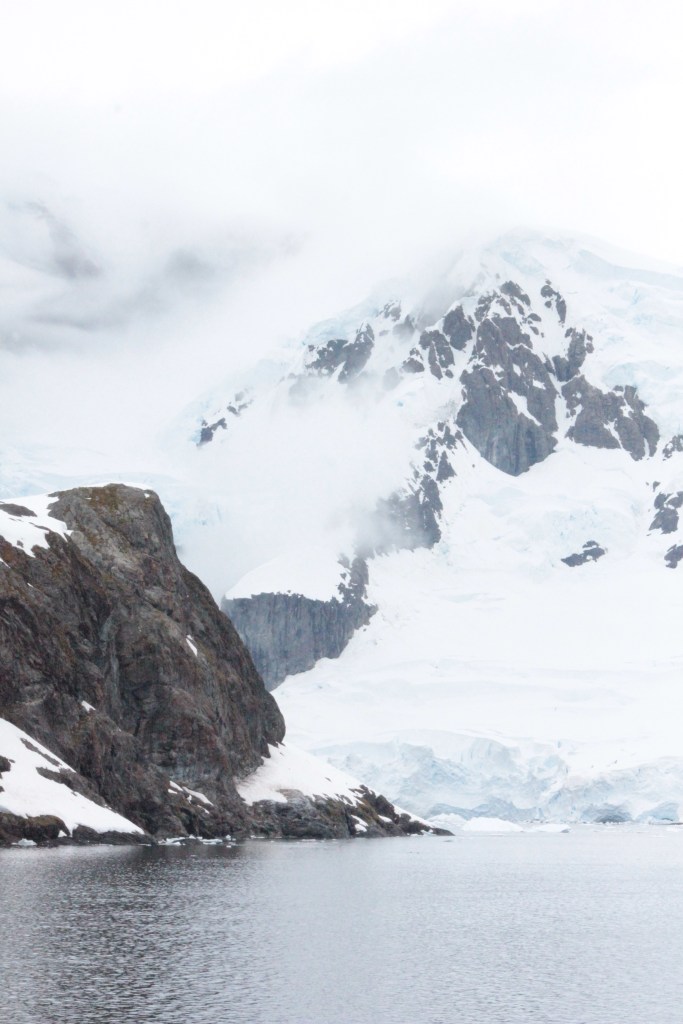
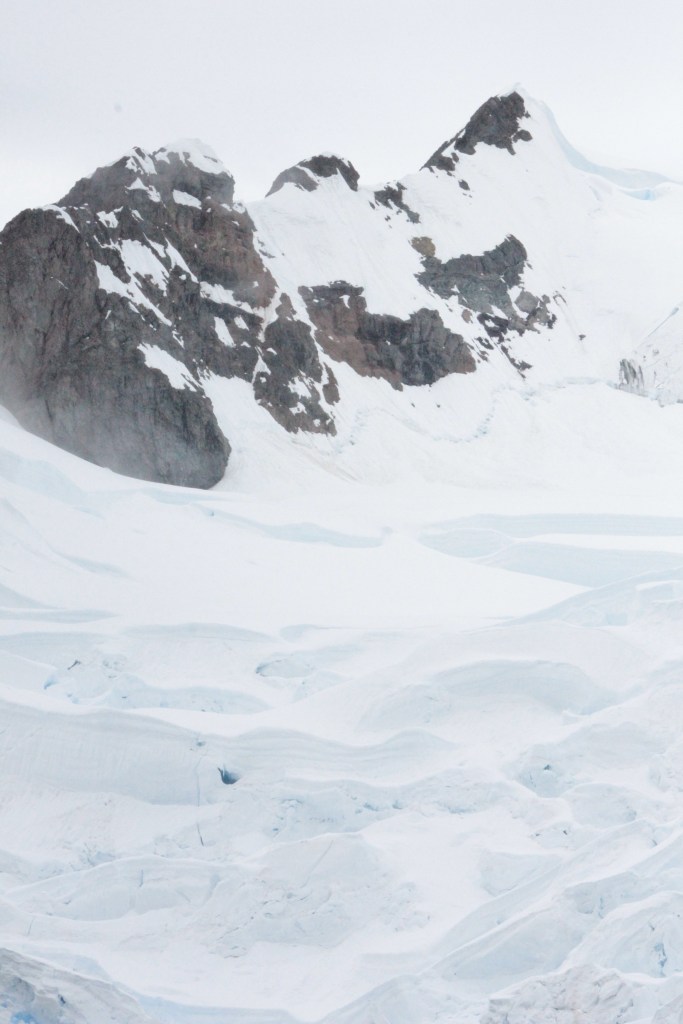
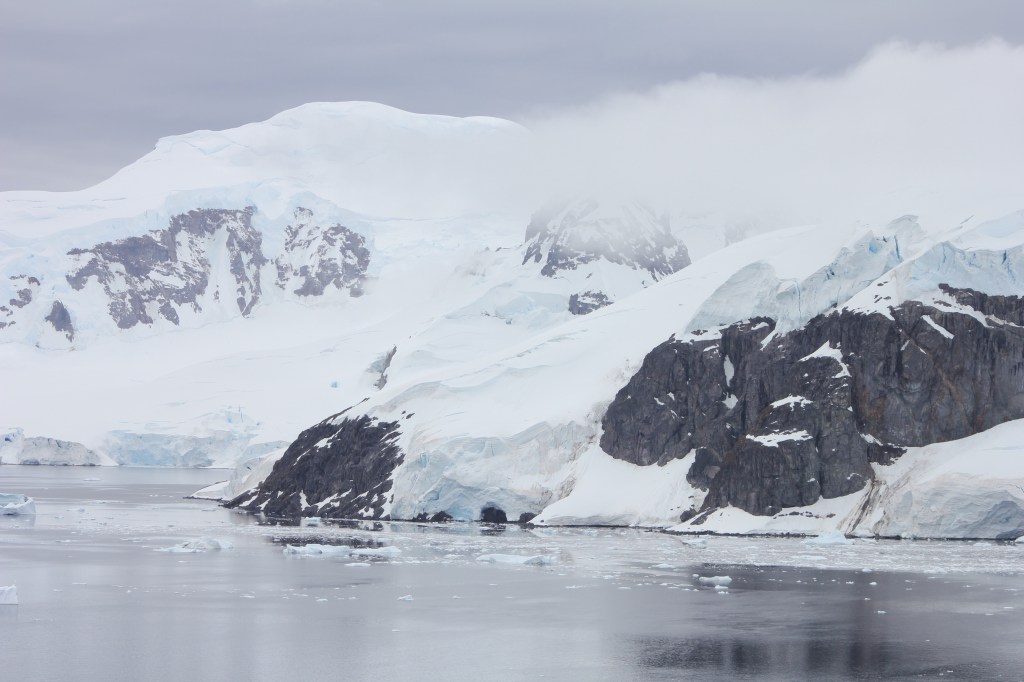
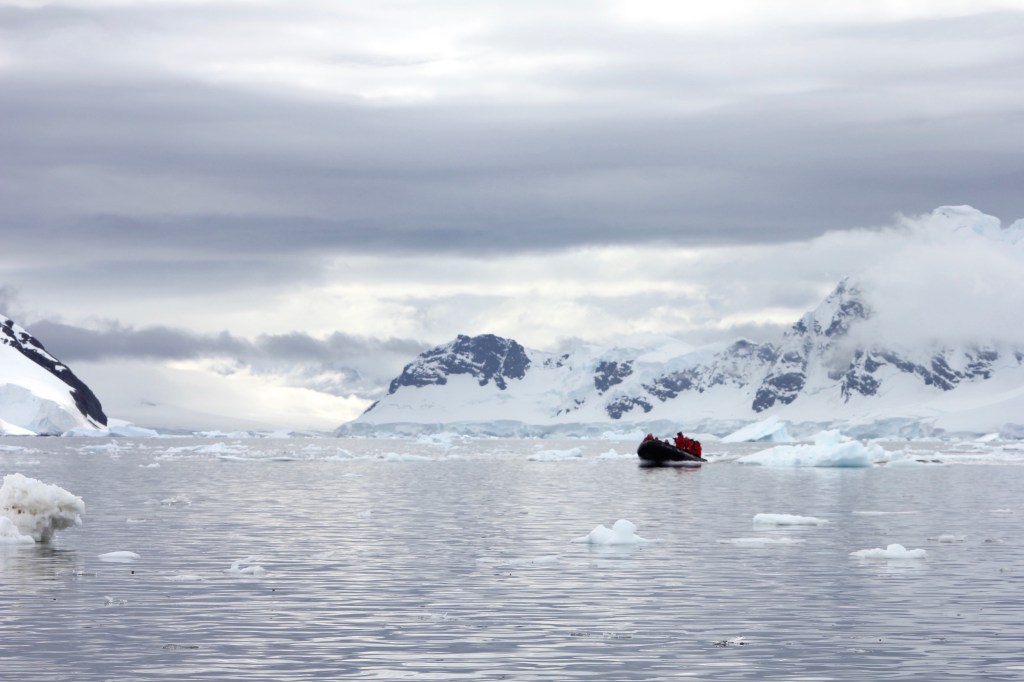
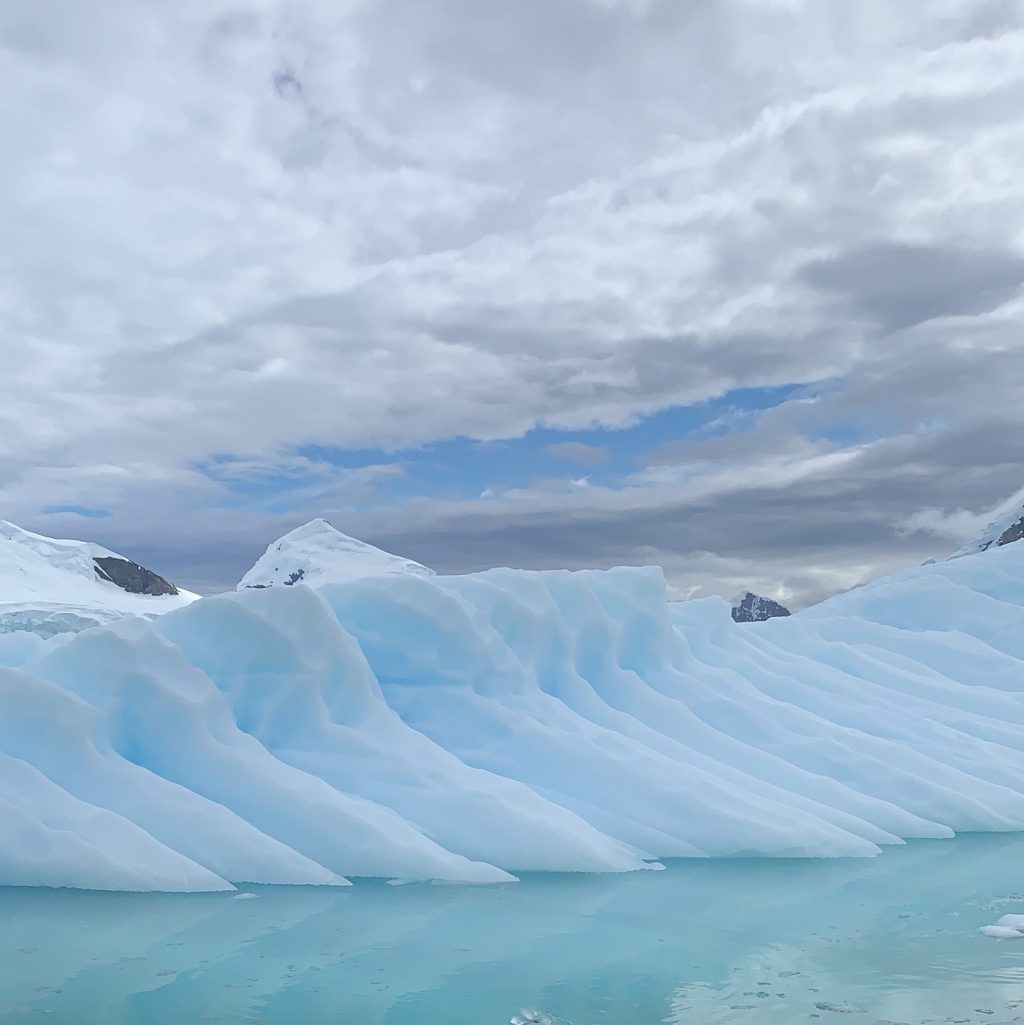
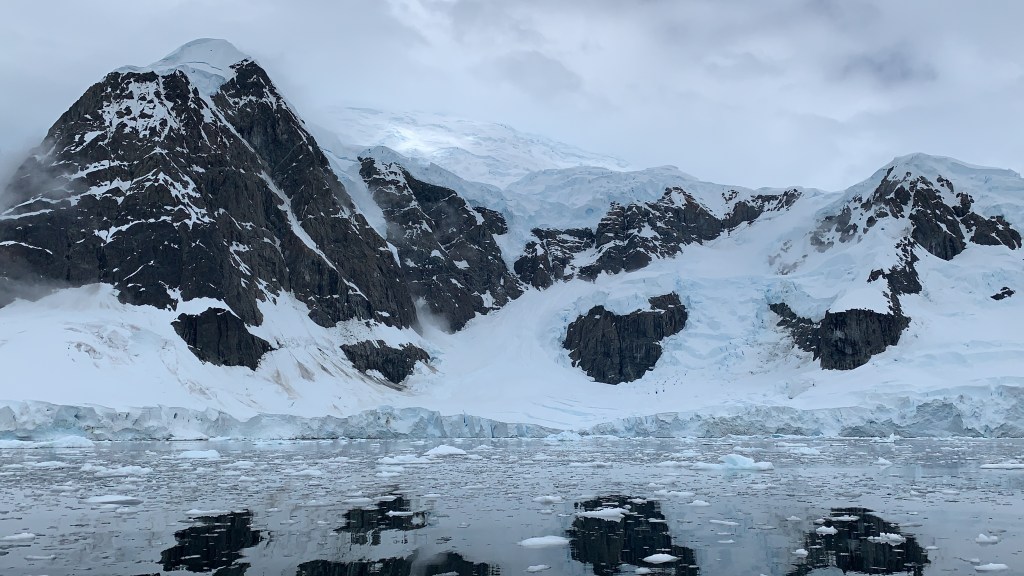
Antartica’s geography is unlike anything I’ve ever seen as dramatic snow-capped mountains, shimmering glaciers and iceberg-strewn channels populate the continent.

Before stepping on the continent, there’s multiple steps you need to go through. Antartica has profound effect on the Earth’s climate and ocean systems, so it is hugely protected onshore and designated parts of the ocean. Each time we would leave the boat, we would be hosed down to ensure we were not accidentally transporting any foreign substances onto the continent. For example, one seed dropped can change an entire ecosystem, impacting the rest of the world. Antarctic life interacts with the rest of the ocean in many ways that benefit humans. Tiny plants and animals living under seasonal sea ice absorb carbon dioxide, helping to reduce the amount of carbon dioxide in the atmosphere and keep the planet cool. All of this could be at risk so extra precaution was required and necessary.
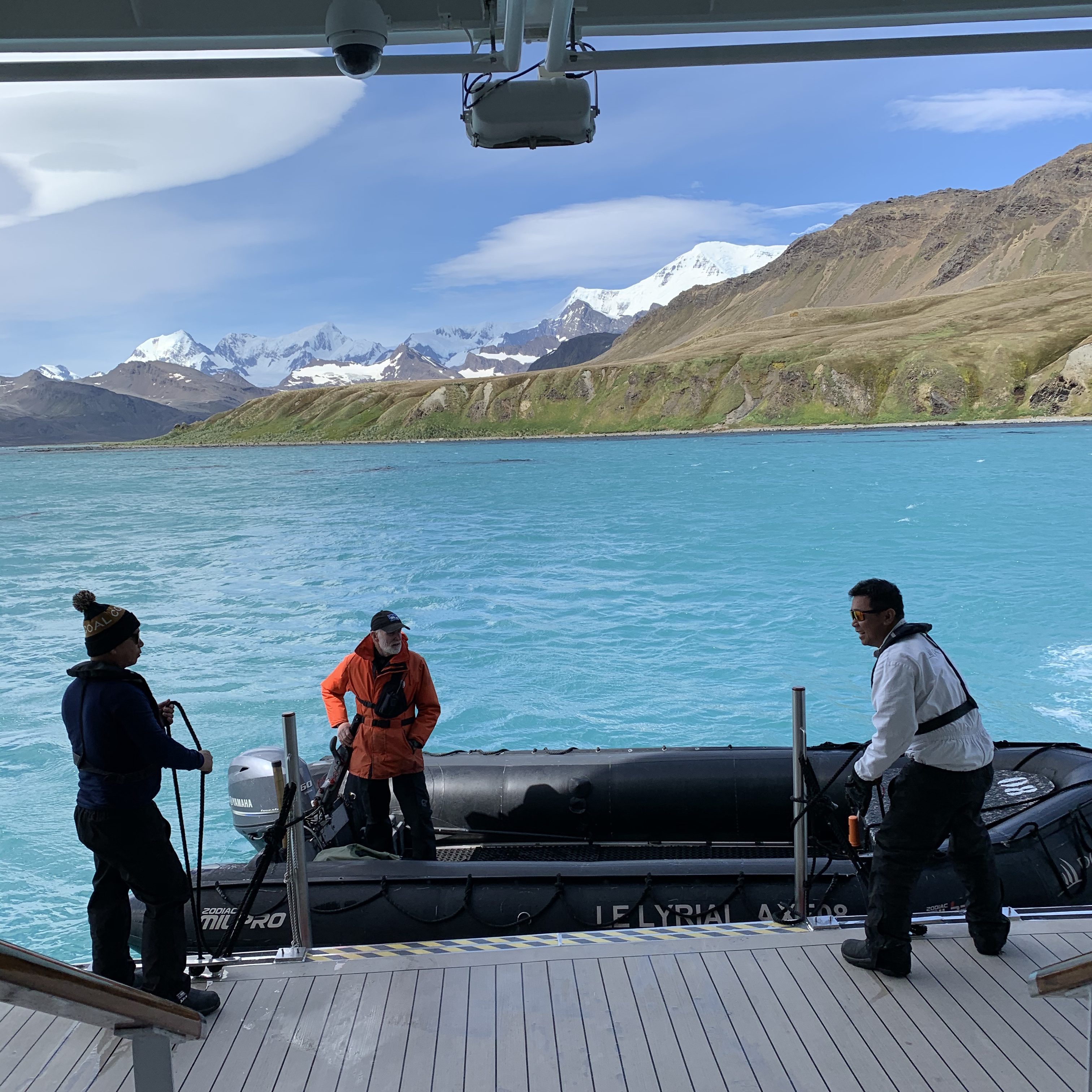
Once you’re hosed off, you’re ready to explore. The amazing excursion guides help us into the zodiacs and we’re off.
The excursions on the Antarctic Peninsula and the South Shetland Islands was our first introduction of how spectacular Antartica really is. We had landings on Half Moon, Penquil, Deception, the Cuverville and Goudier islands, and we sailed through Paradise Bay and the Lemaire Channel, called “Kodak Alley”. Going into detail for each of the landings would be extensive, so I’m just going to highlight a couple that really stuck with me.
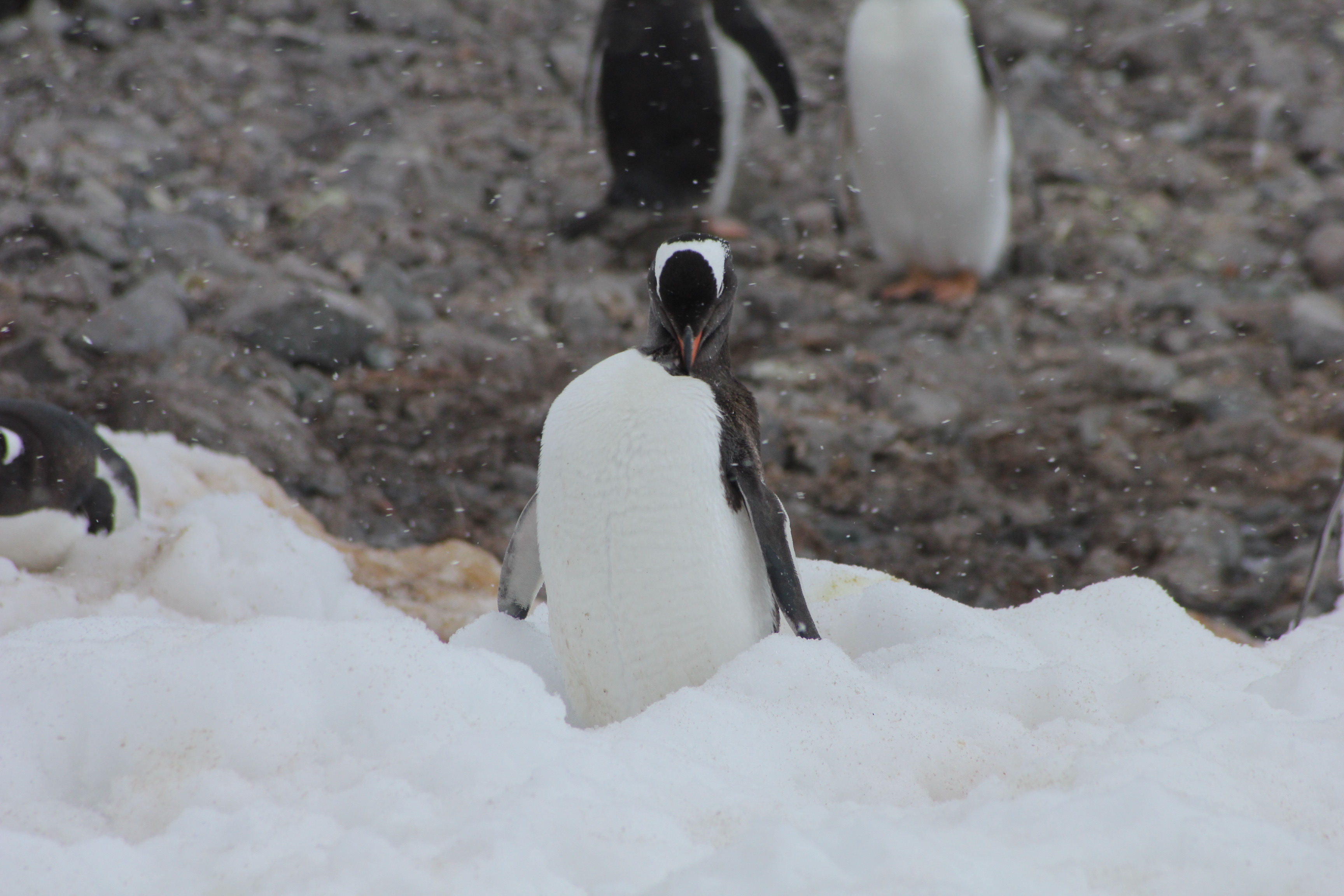
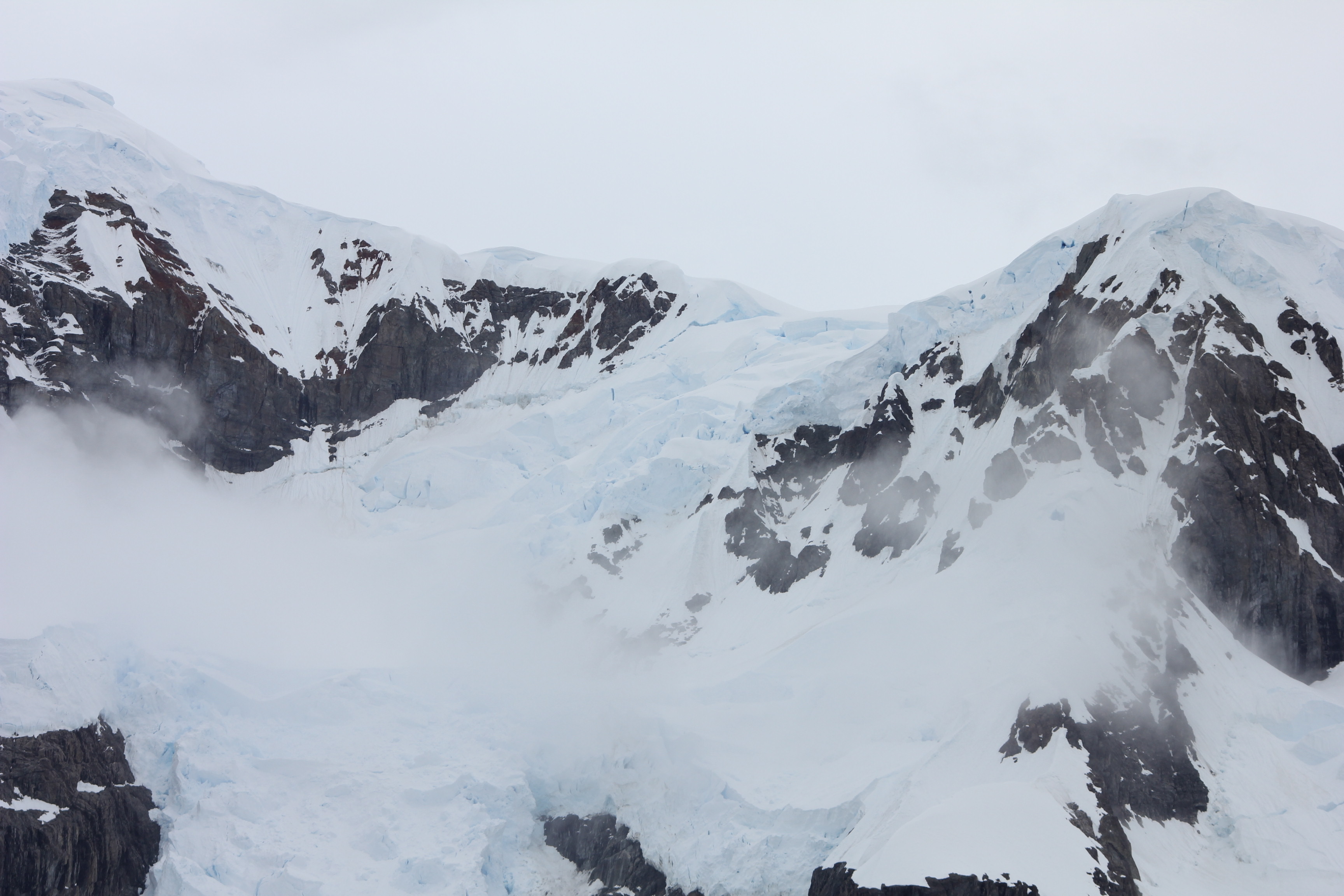
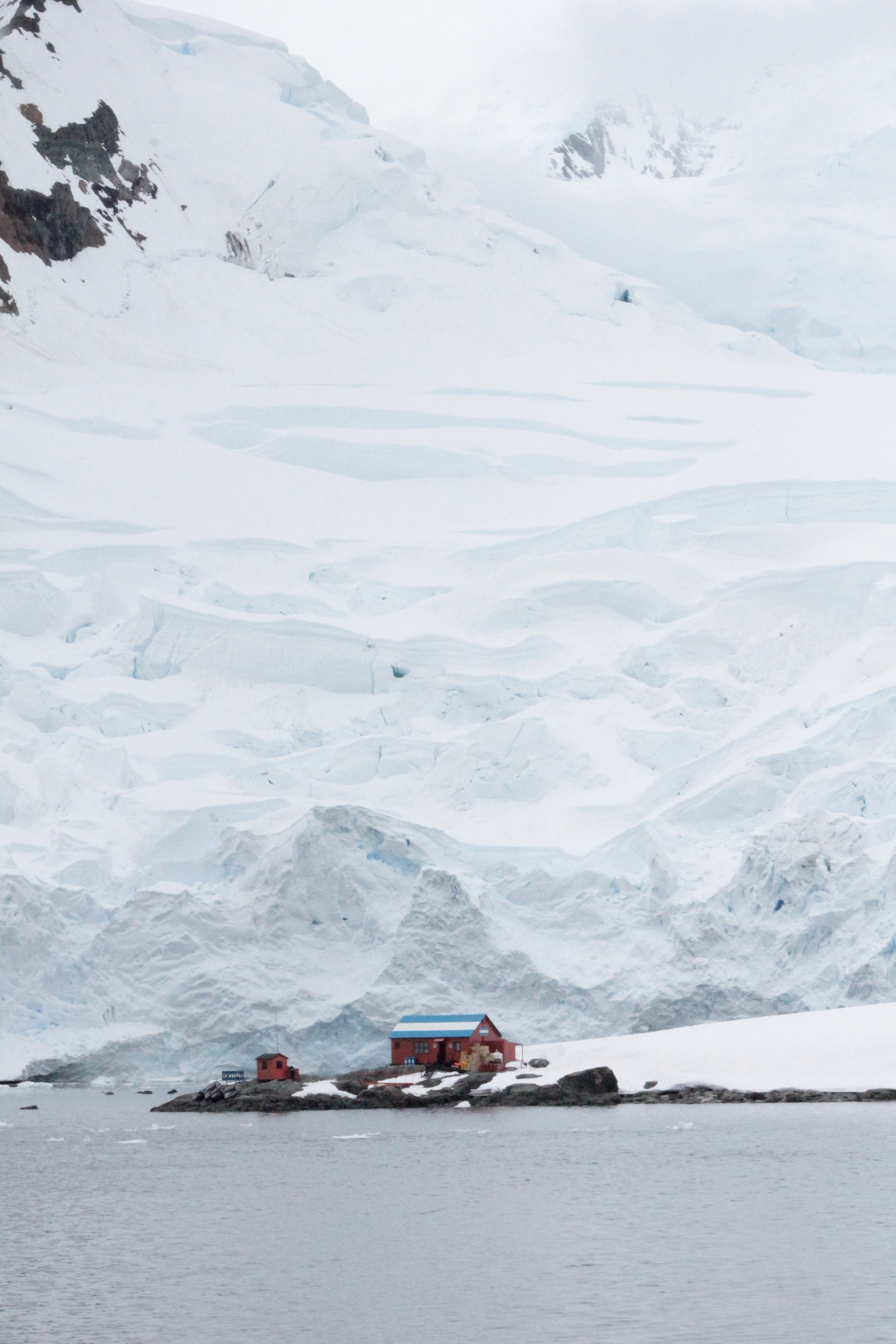
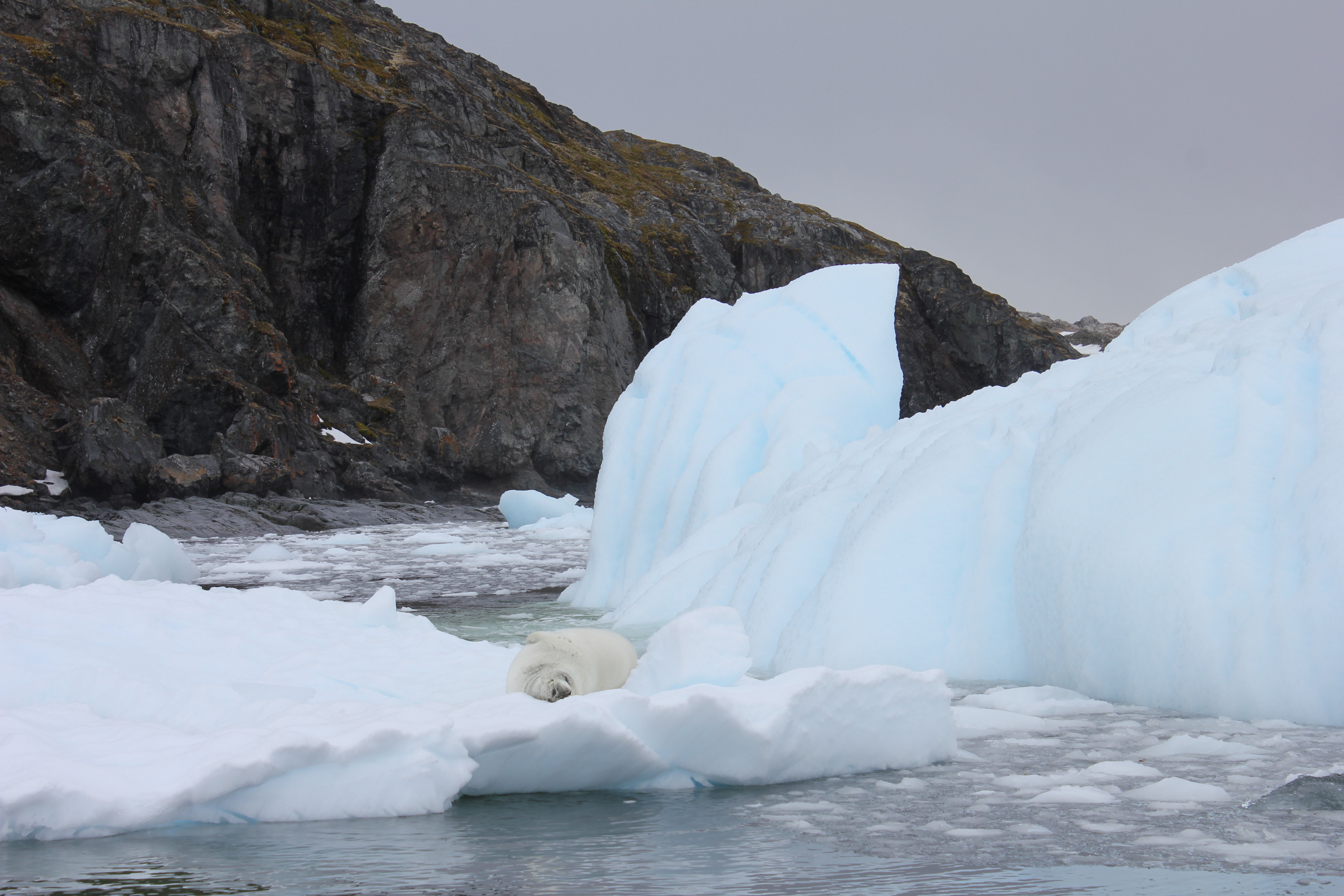

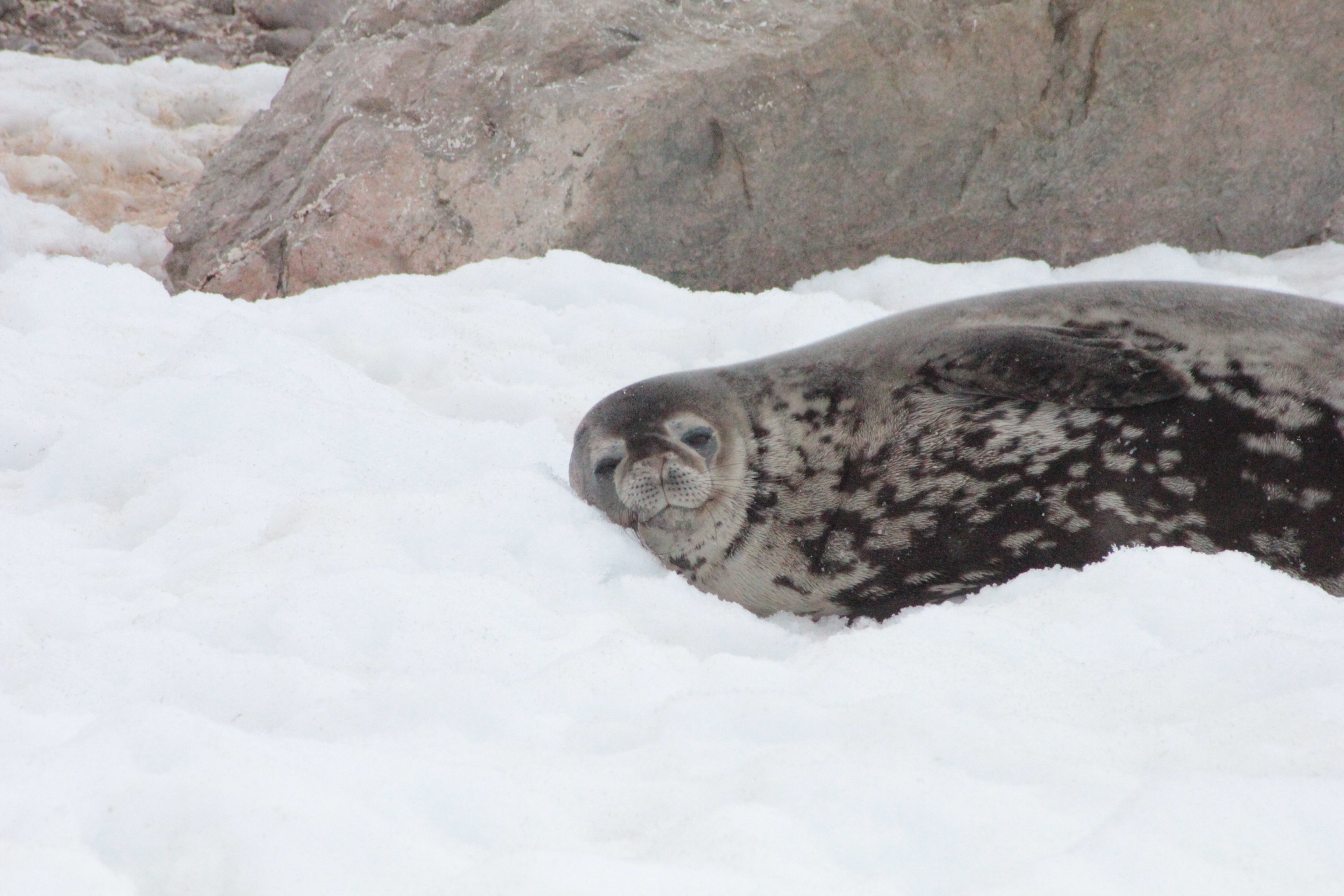
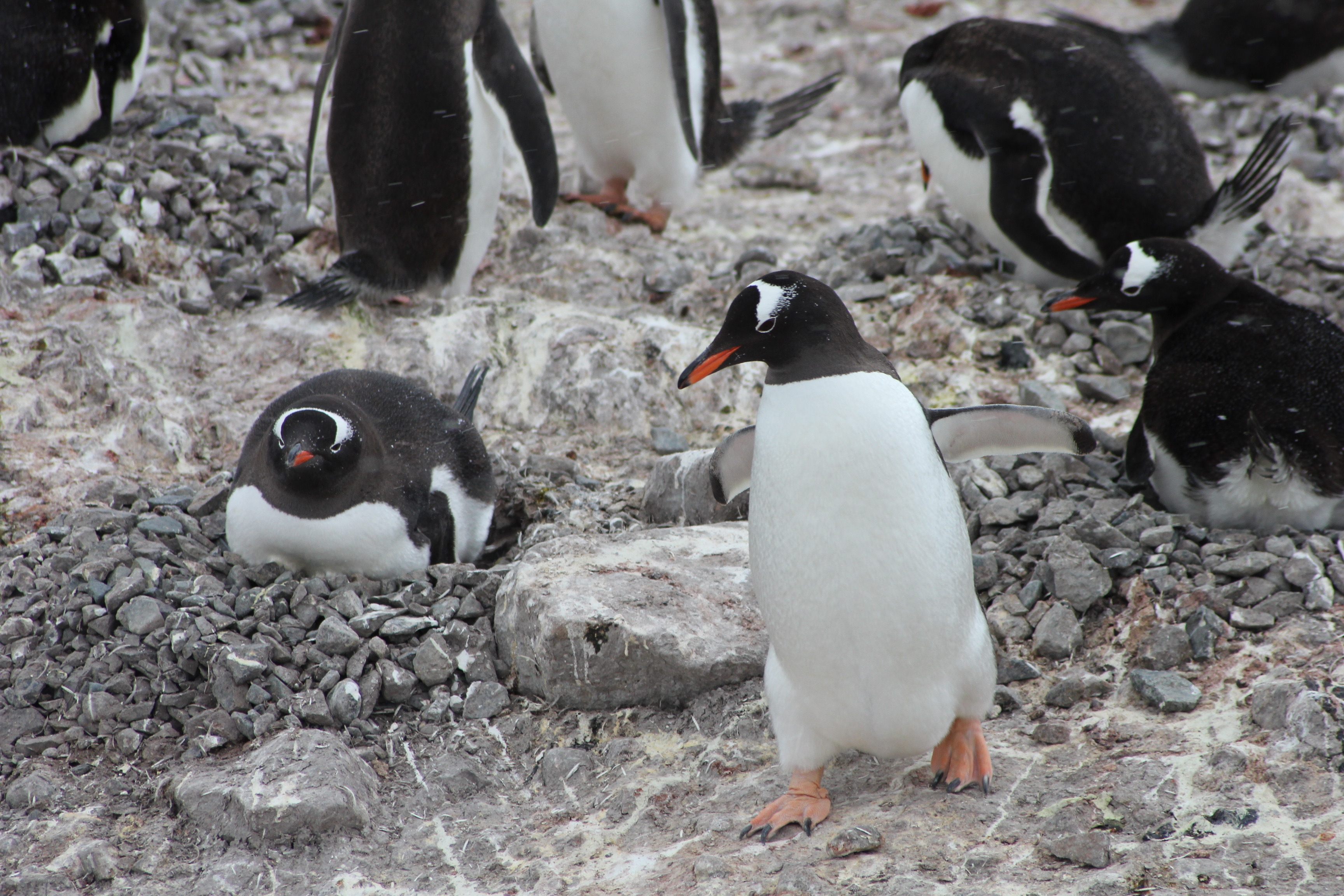
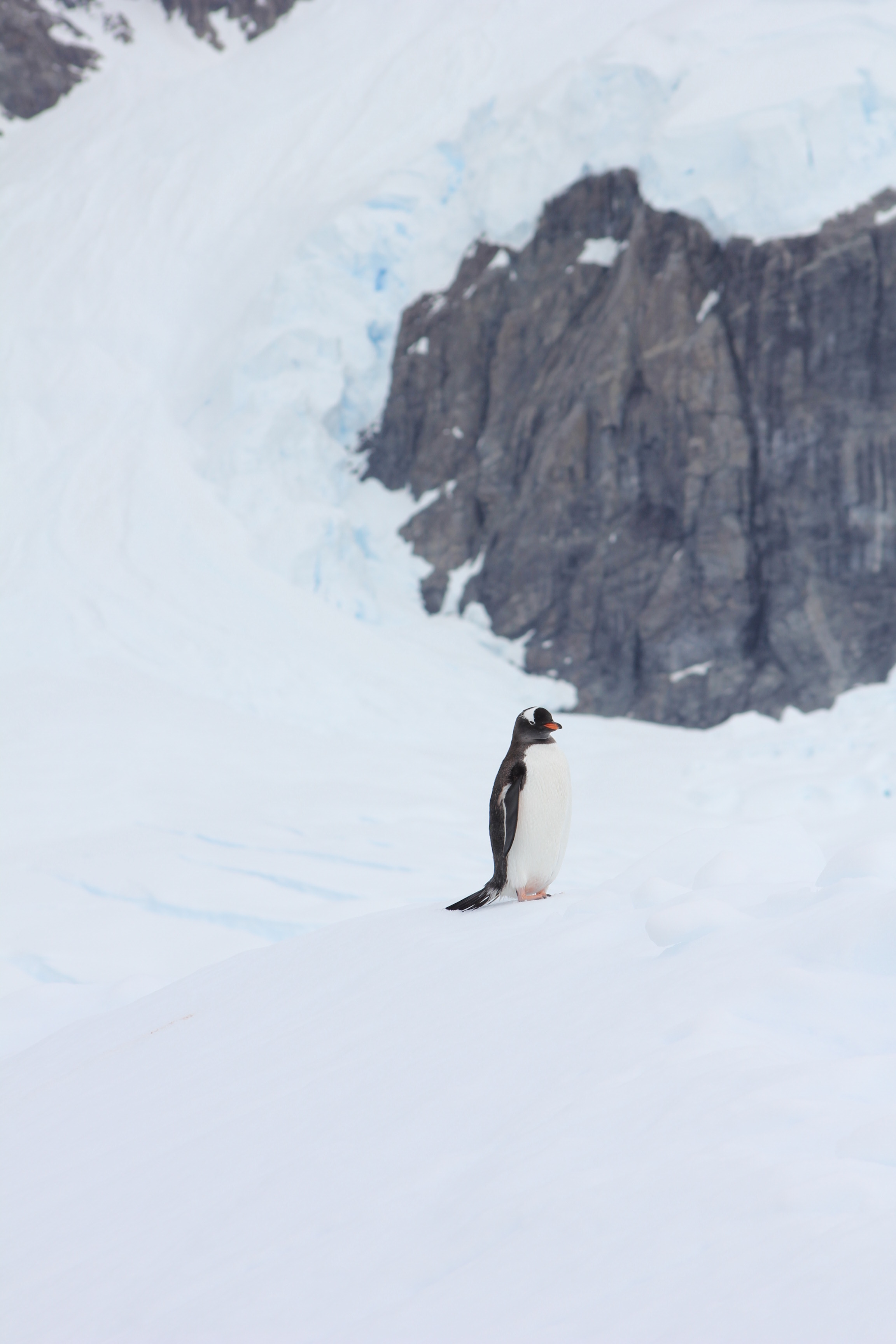
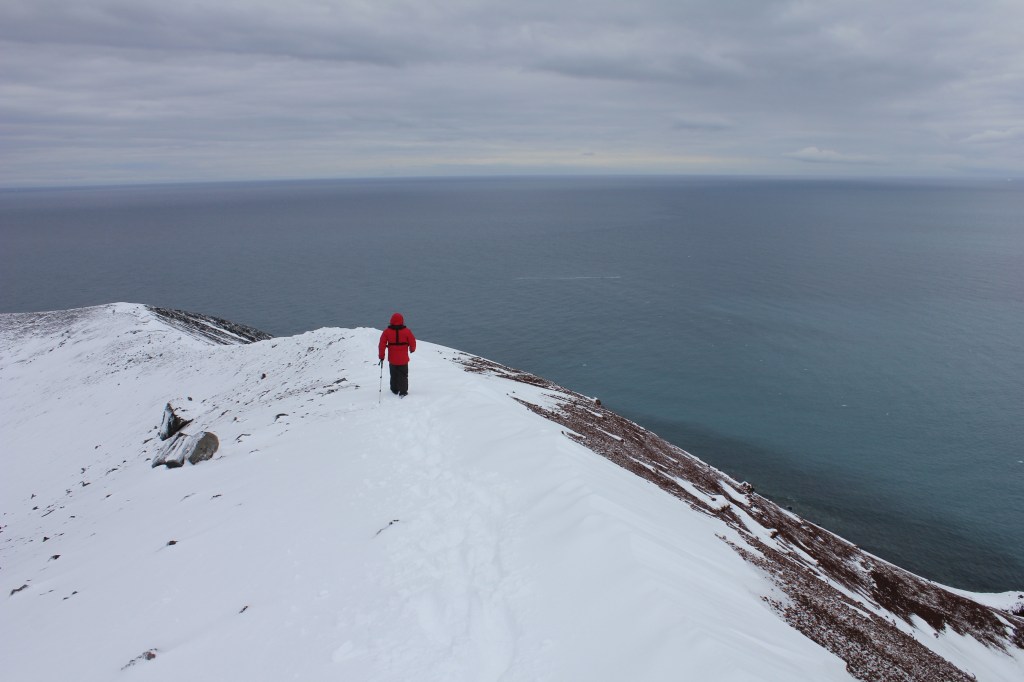
The first time I stepped foot on the continent, I was weirdly nervous, but excited. It’s so untouched, almost fragile looking, so making a footprint in the snow felt like destruction. It was about 25 degrees outside and heavily snowing, and all I could see in front of me were the shapes of gentoo penguins and Weddell seals sliding down the snow-covered hills. After hiking uphill for a while, the snowfall mellowed and I was instantly shocked; I couldn’t see my breath. When it’s cold outside, you can see your breath, but in Antartica, you can’t. This is because there’s no particles in the air to gather to create the fog of breath. It’s simply just nature around you and nothing else. I loved it.


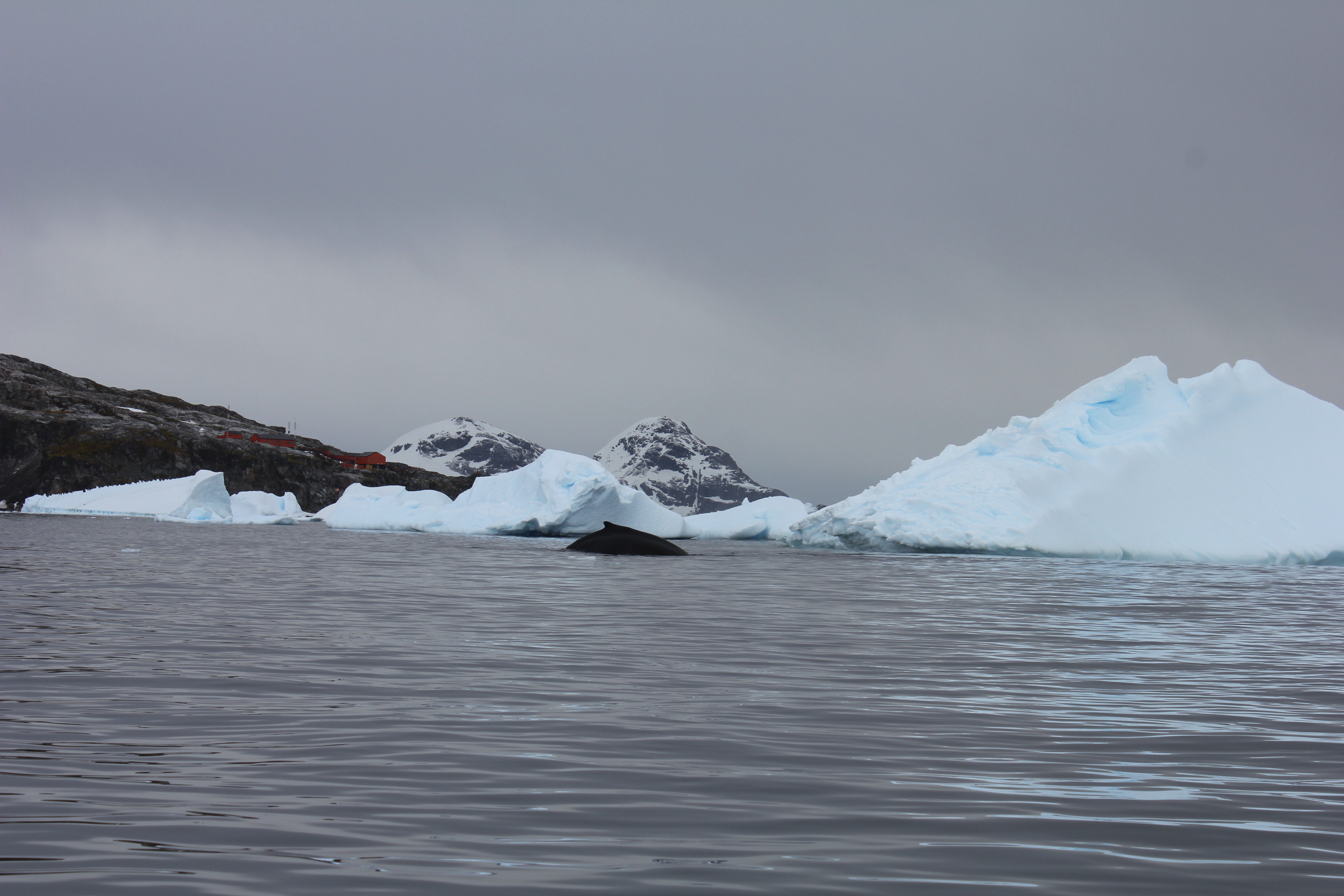
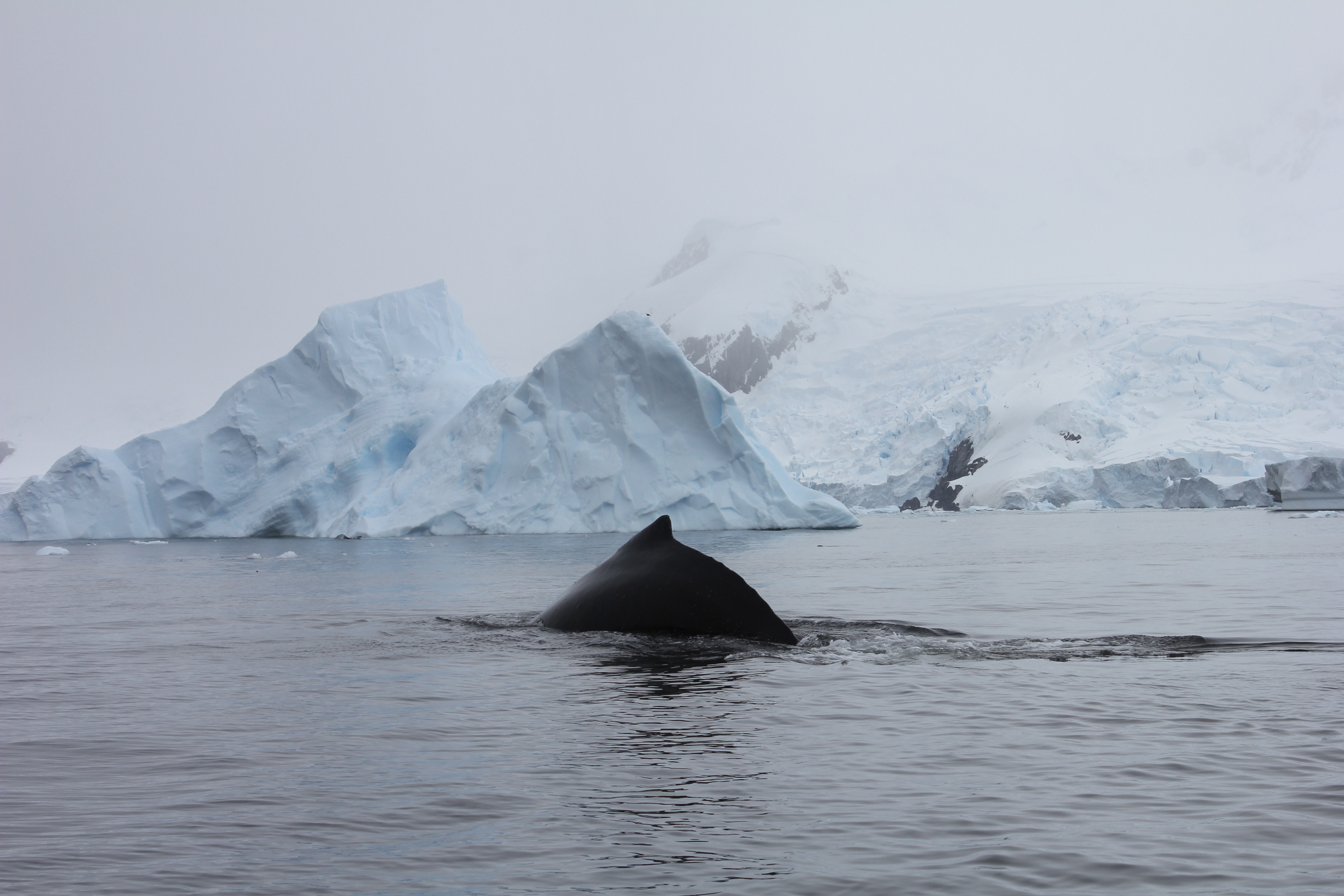
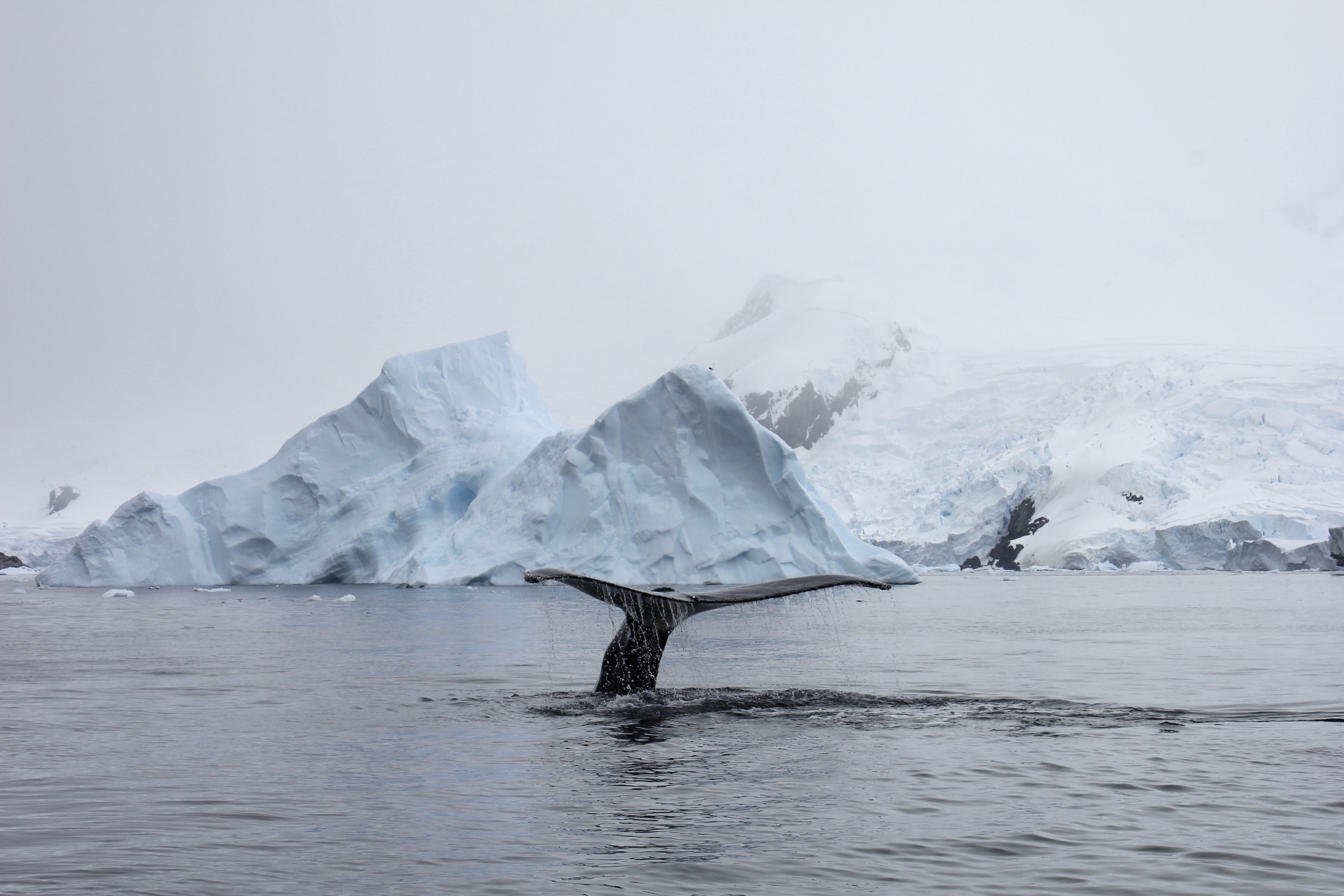
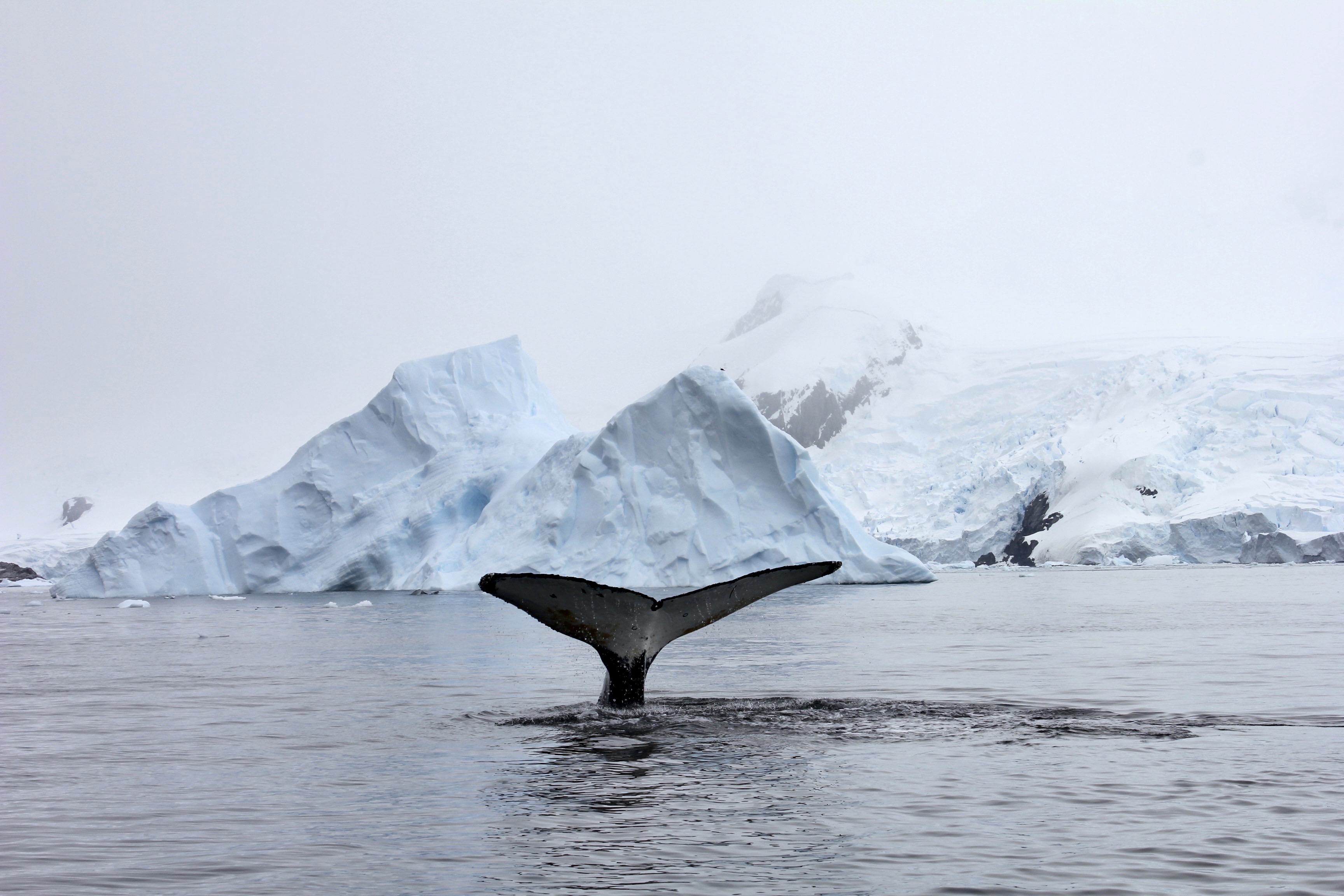
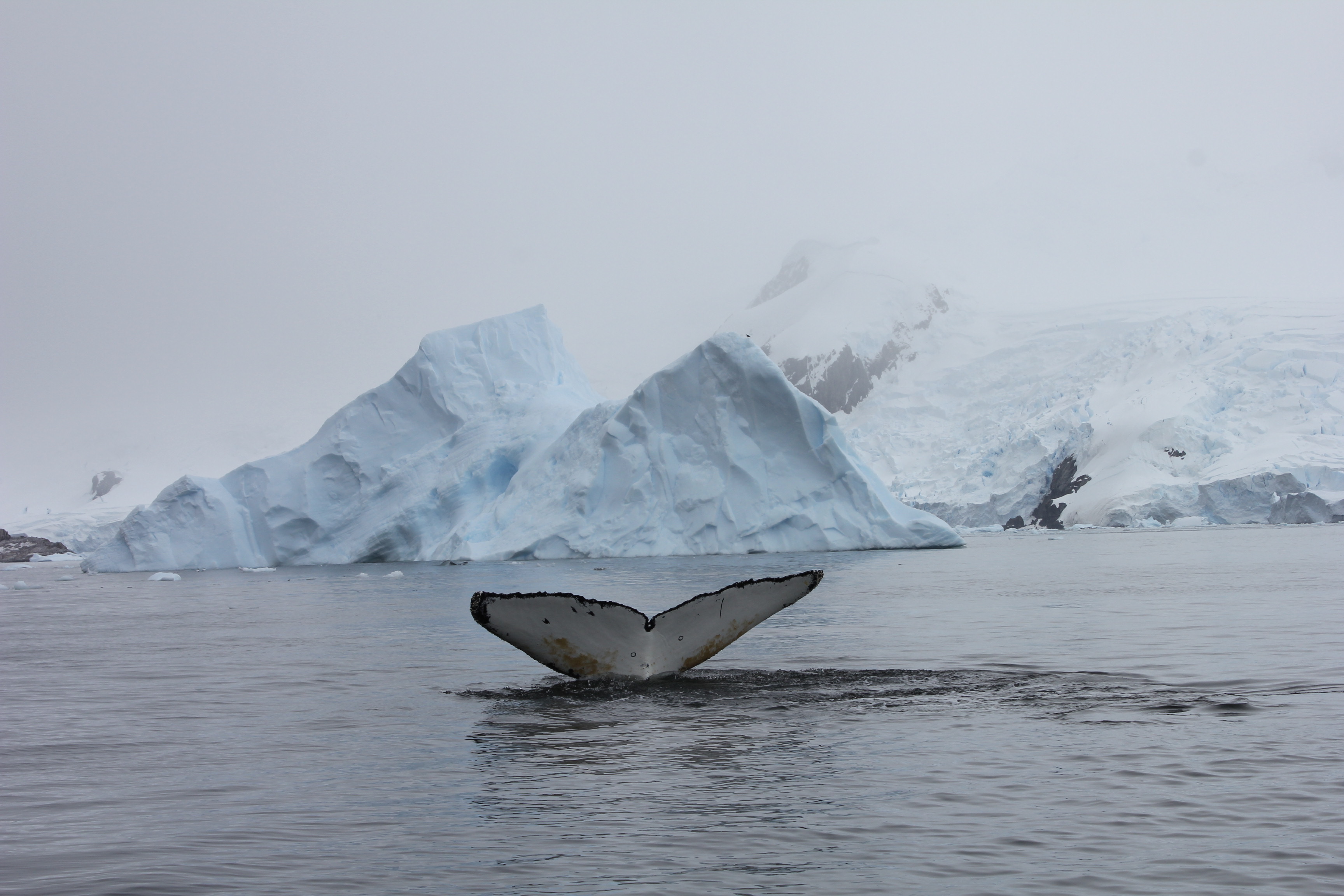
One of our heart-racing excursions was whale watching in Wilhelmina Bay, noted for its prolific humpback whale activity. As someone who is afraid of whales, this was crazy. The humpback whales were close enough to touch and even lifted our zodiacs a couple times. Even though I was sweating of nervousness in 20 degree weather, I’ll never forget the site of these huge, majestic creatures.

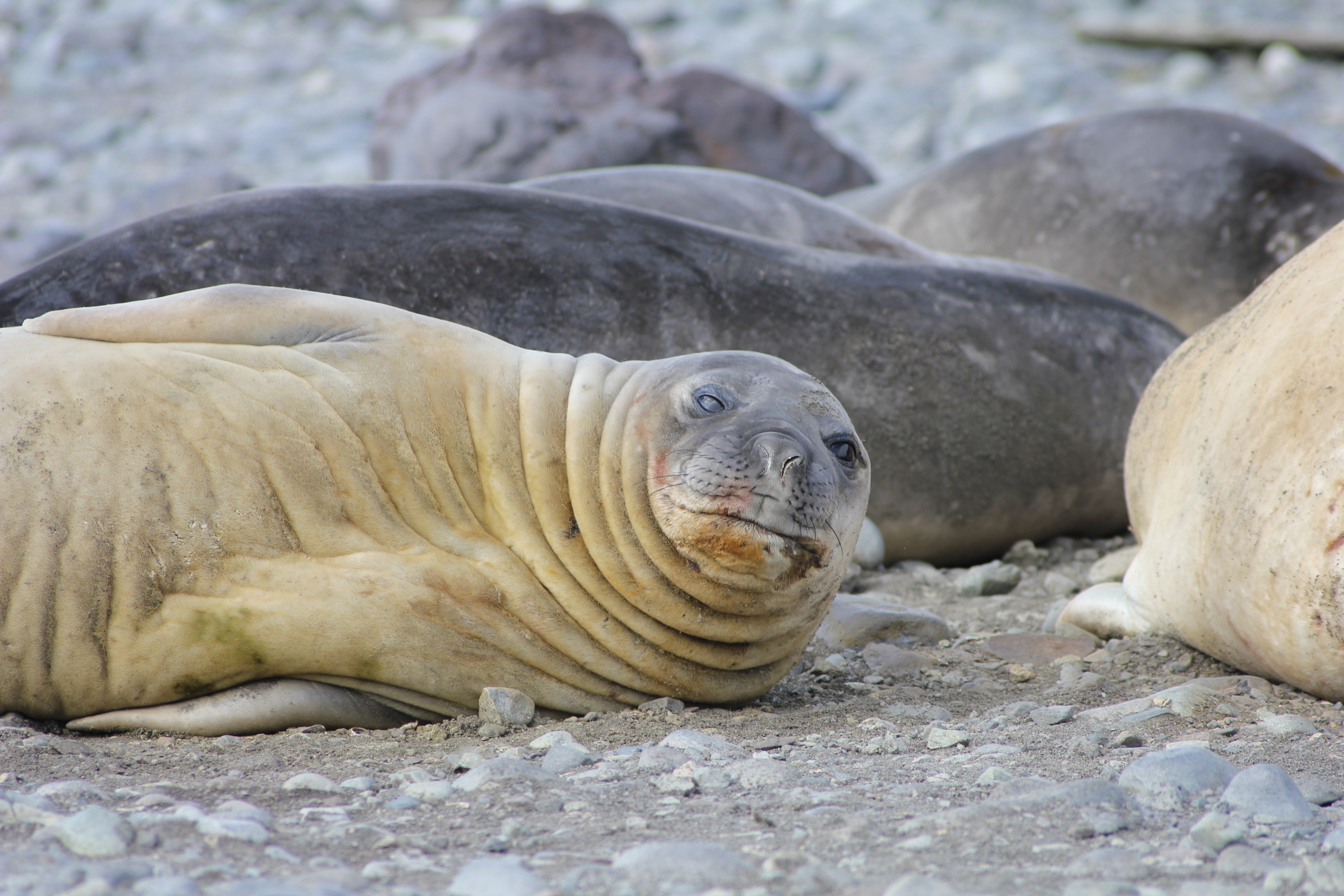
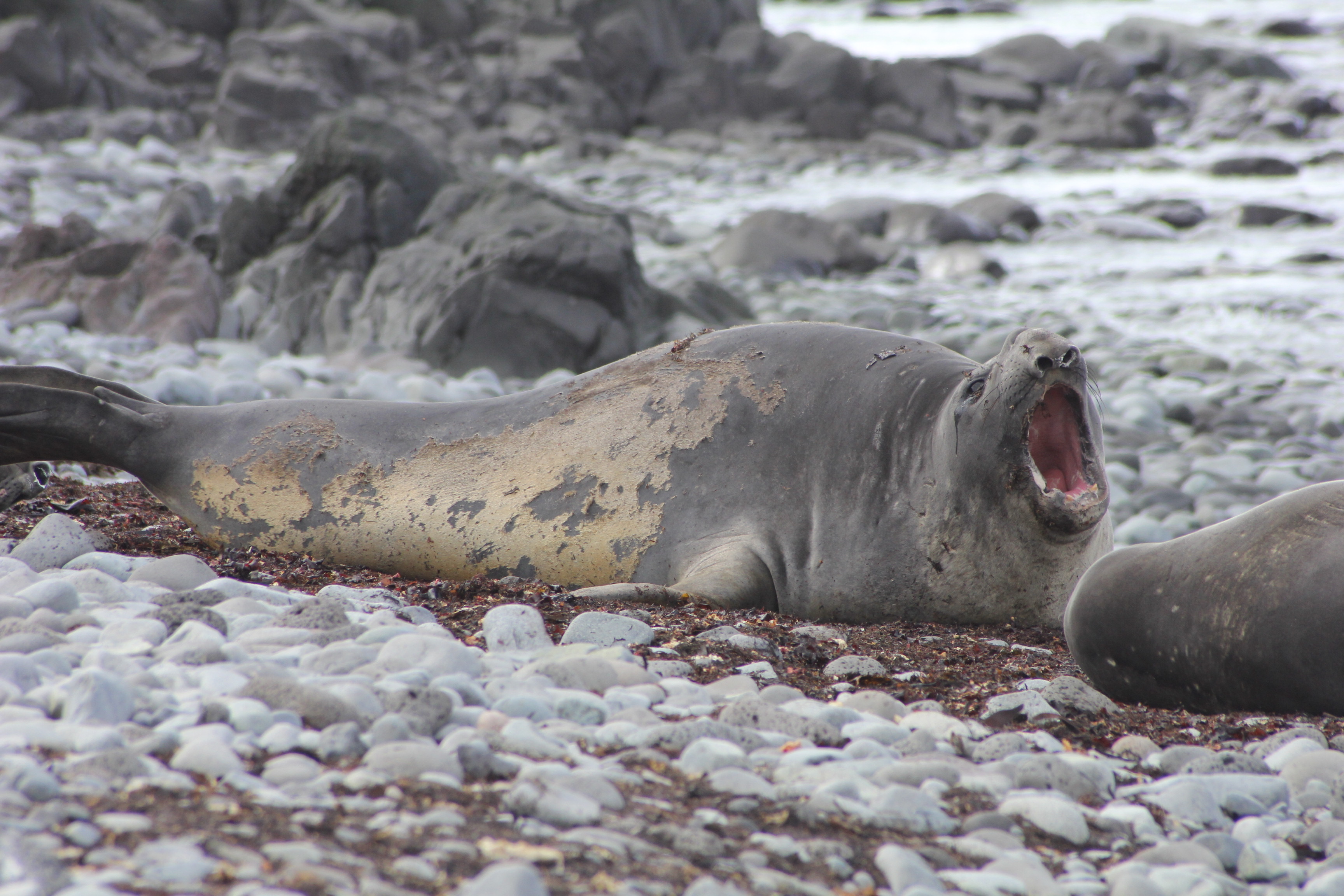
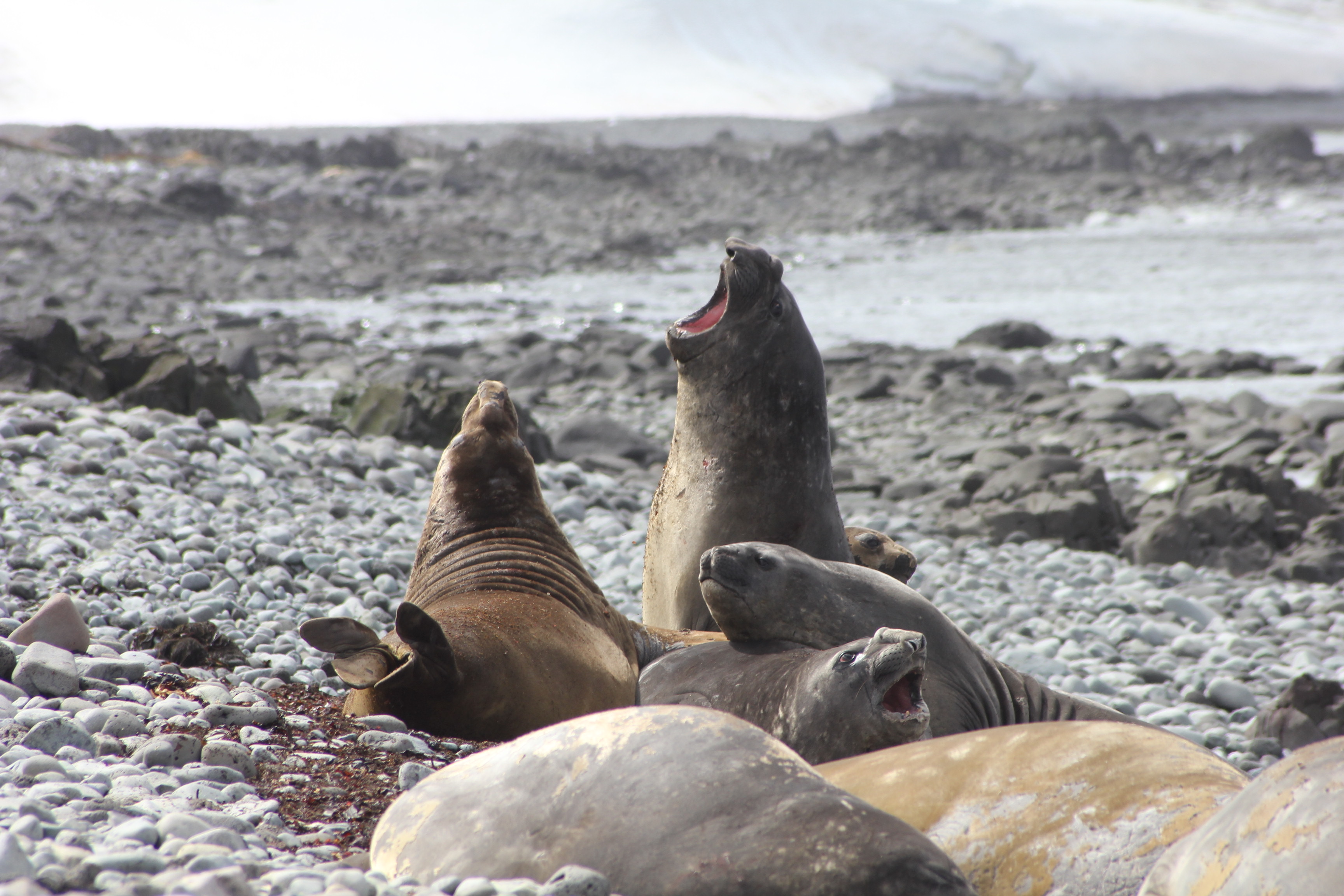
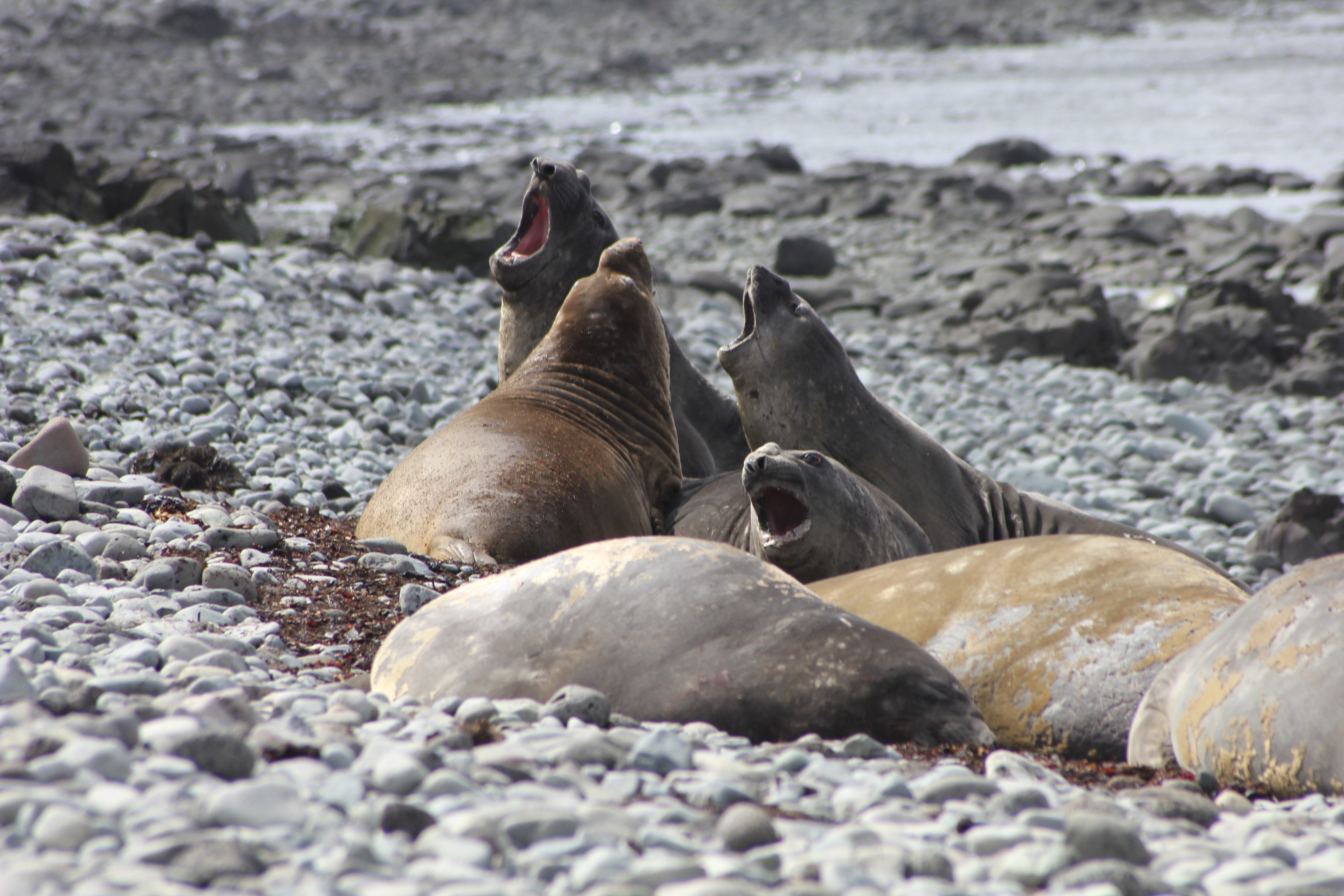
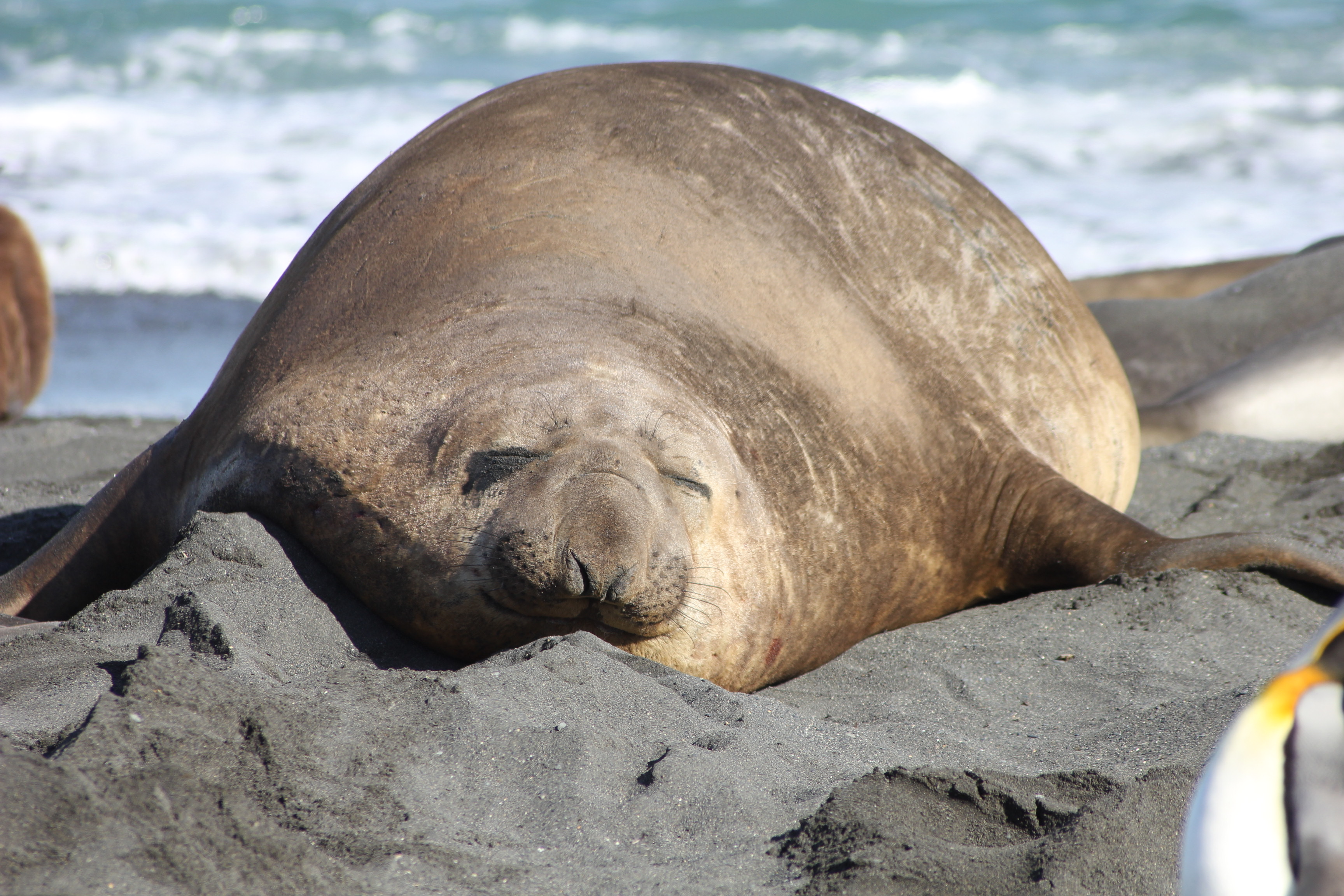
Even though whales absolutely terrify me, they had nothing on the elephant seals. The sounds and movements of elephant seals is permanently engrained in my mind forever. Elephant seals are the largest seals on the planet and each year the seals take a month or so to shed their old, damaged, worn fur for a new coat that will protect them better while in the water. The fur comes apart in big patches like you see in the photos, and elephant seals have to beach to go through the process, which would be too cold in the ocean. The young males use their time ashore to stage mock fights, practicing their skills for another year when they had real fights to pick. You definitely don’t want to end up under one of these guys.


Day 9-10: Cruising the Scotia Sea
After a wild couple of days, we were back on the boat to sail to South Georgia. Rich with marine mammals and fish, the Scotia Sea was definitely a smoother ride then the Drake Passage. We enjoyed this time at sea by listening in on lectures from the Expedition Team and appreciating the boat’s amenities.
Day 11-13: South Georgia and The South Sandwich Islands
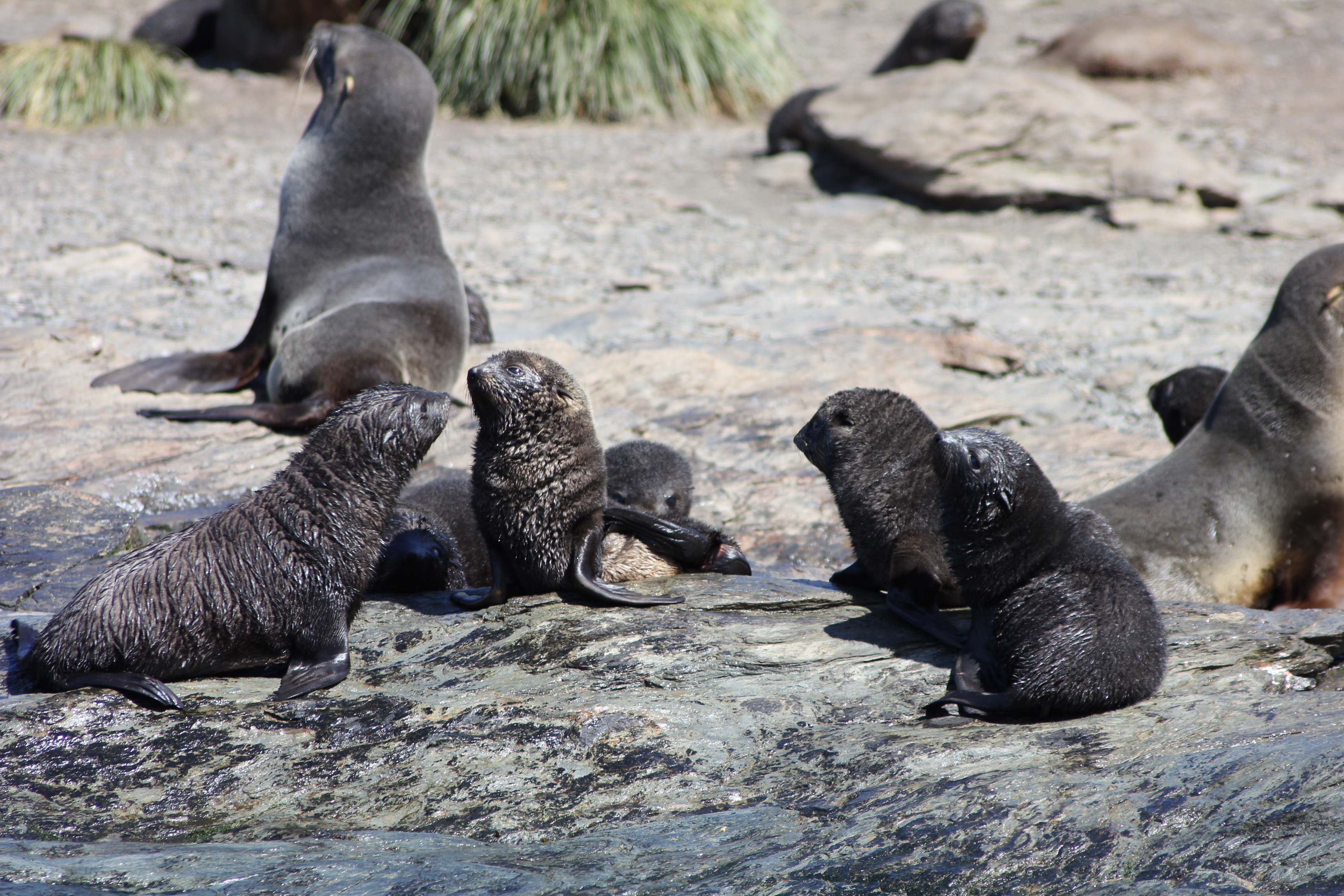

South Georgia and the South Sandwich Islands is a collection of islands in the southern Atlantic Ocean and one of the most visited locations in Antartica. The days I spent here were the most spectacular and riveting three days of my entire life.
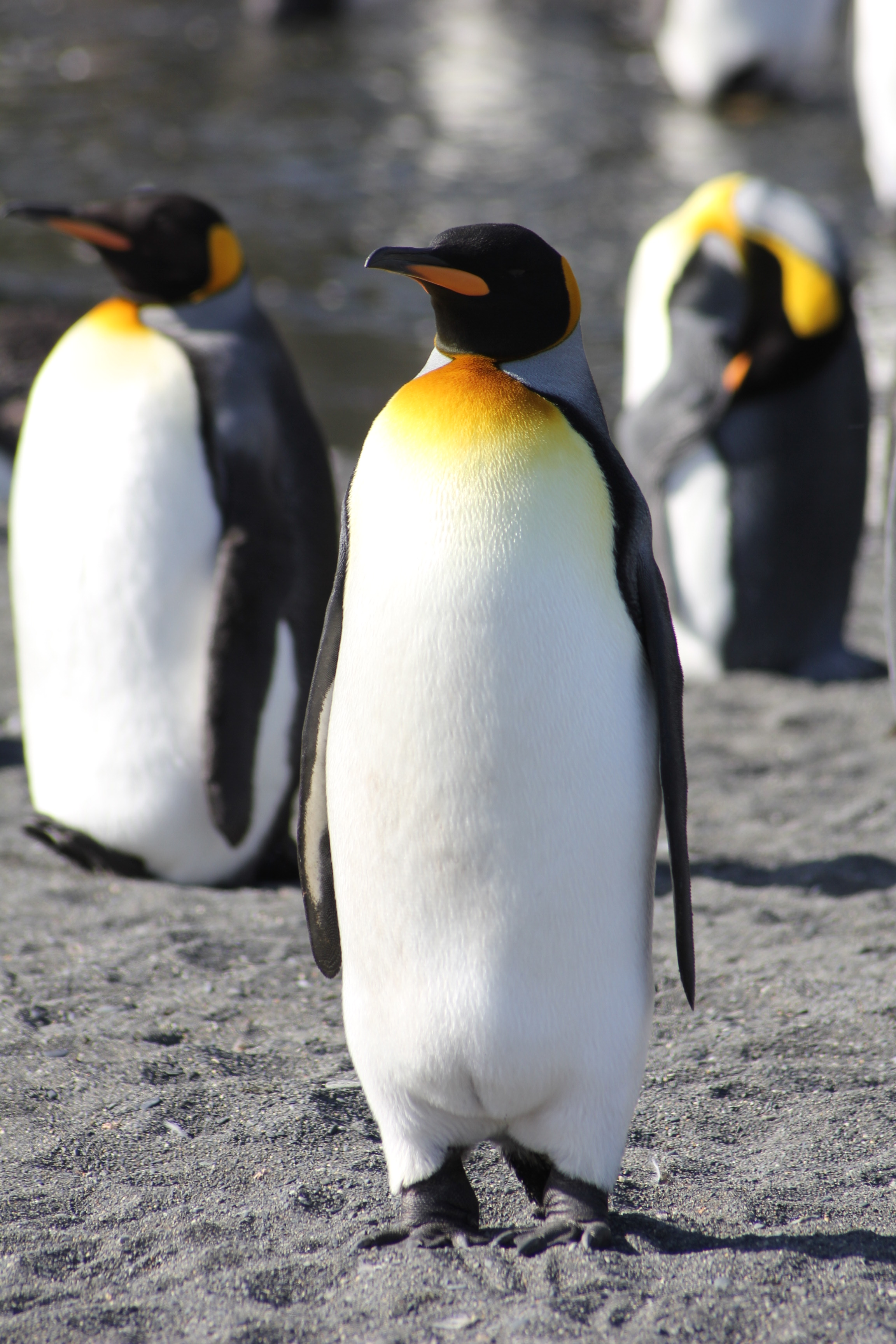
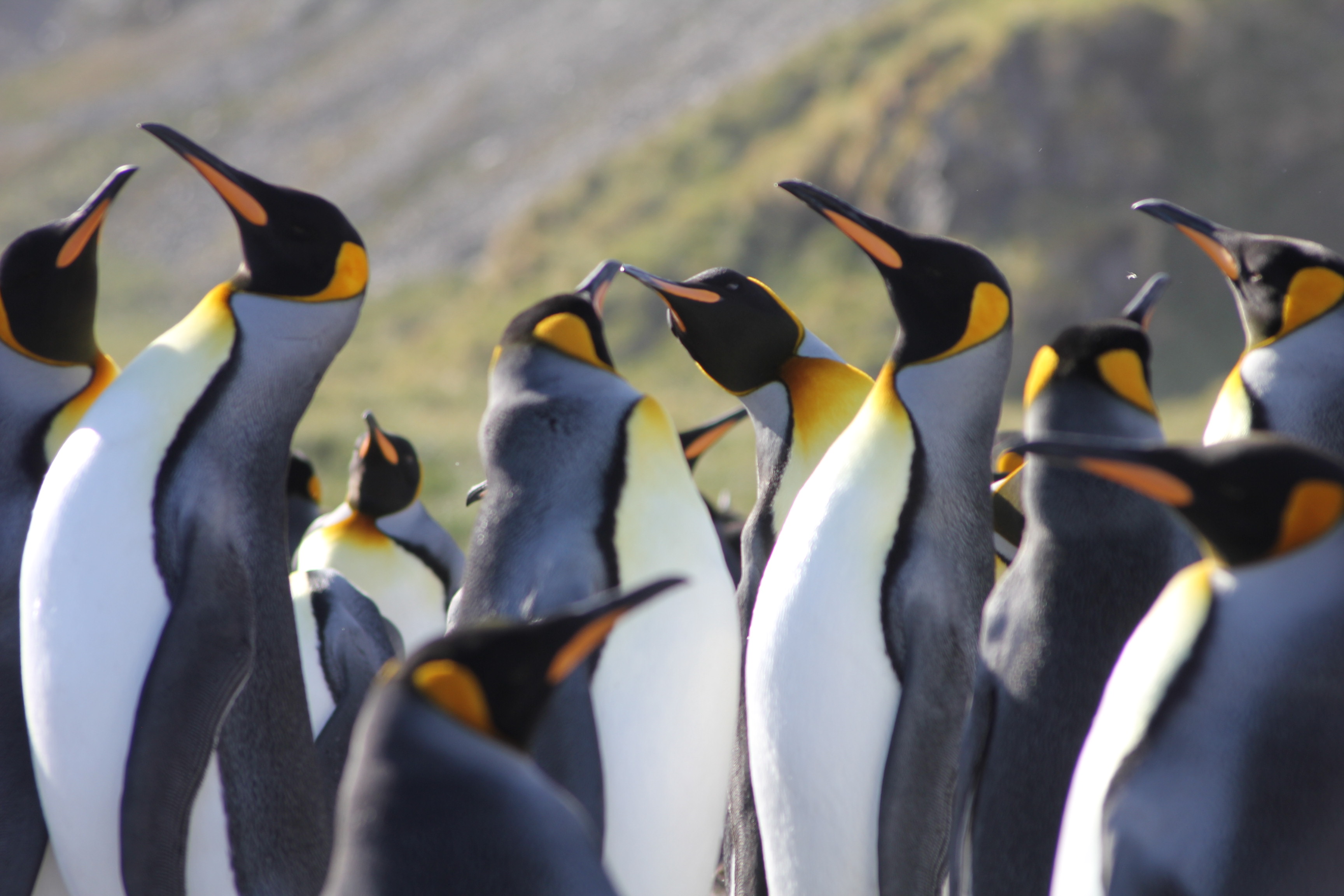
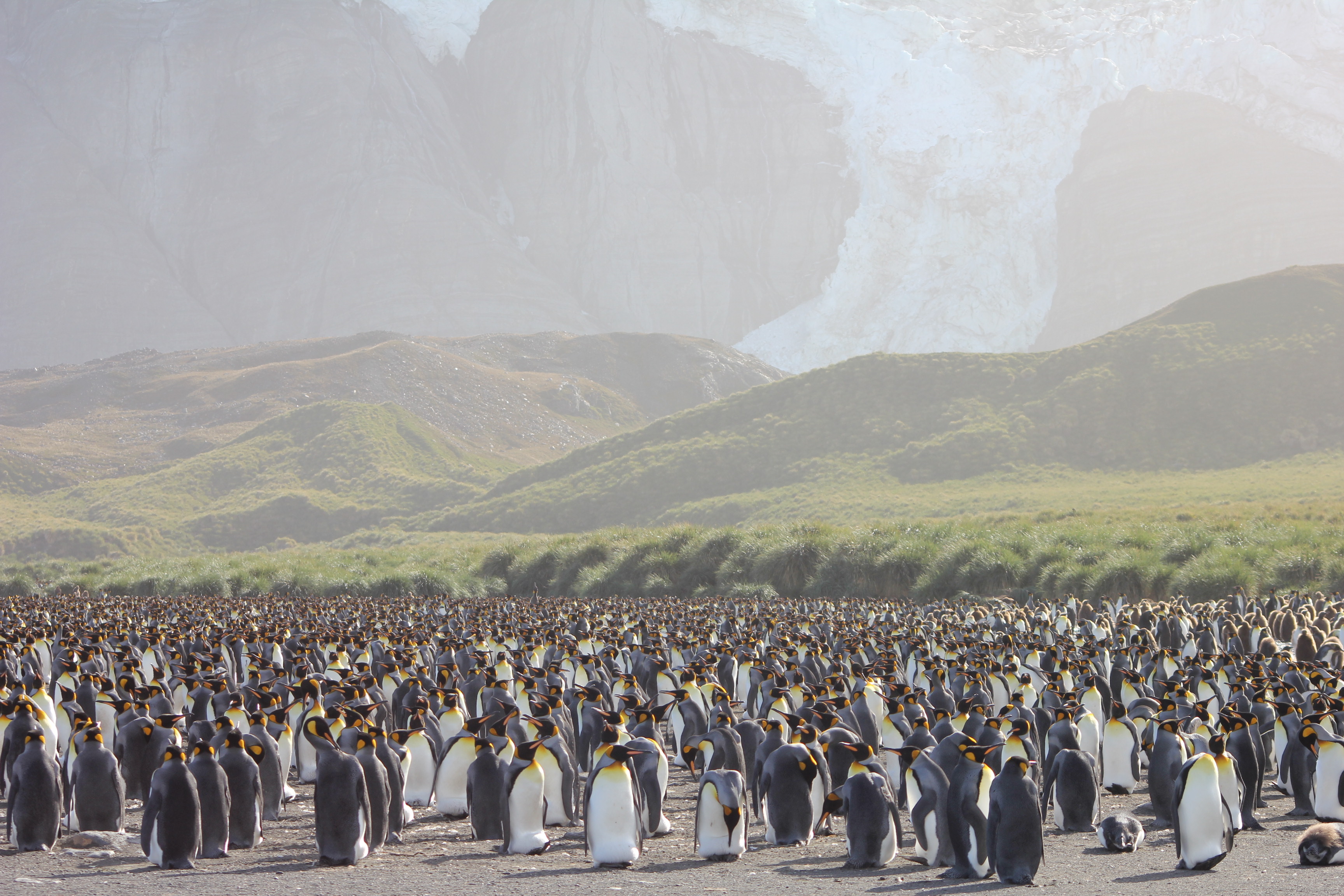
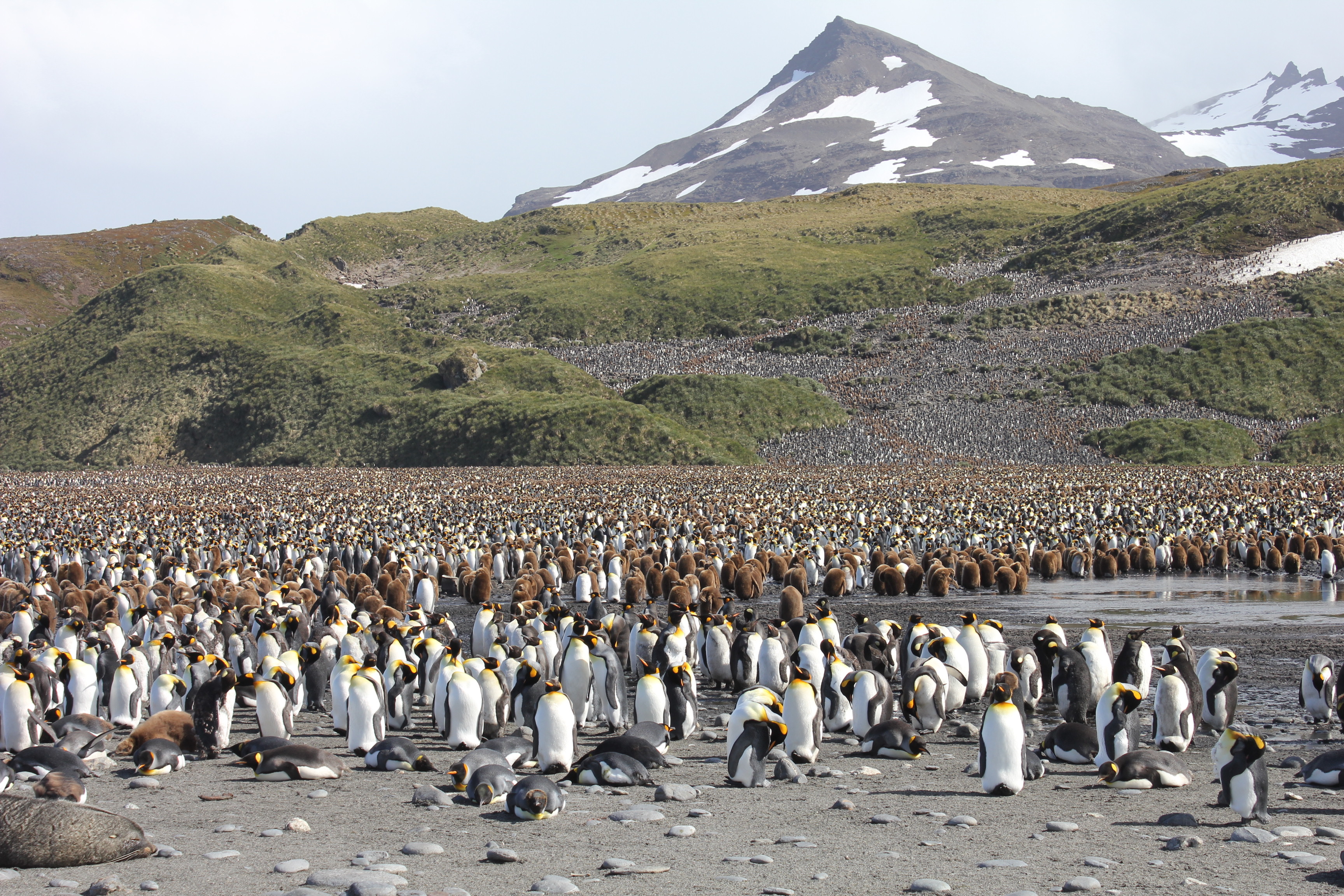
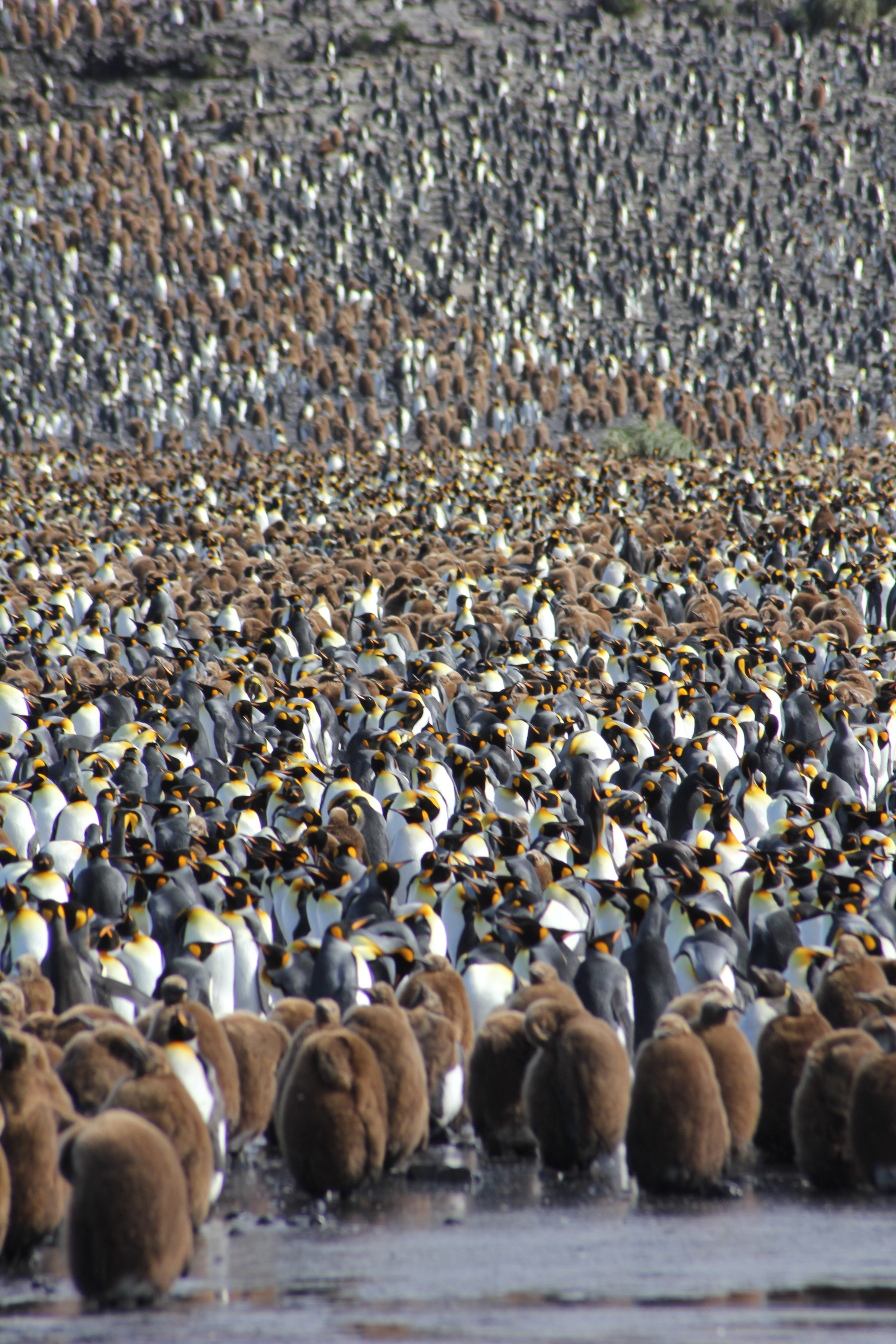
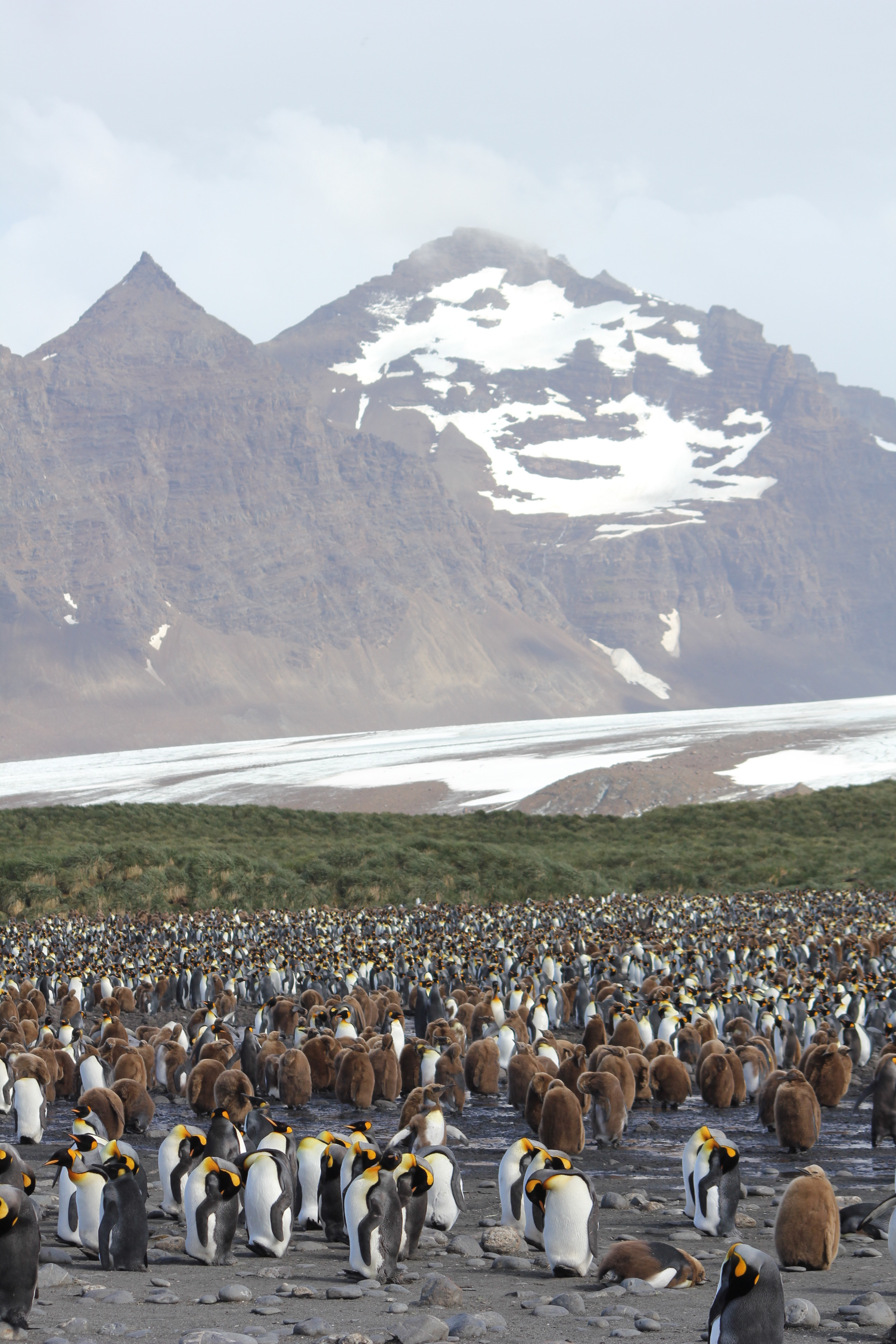
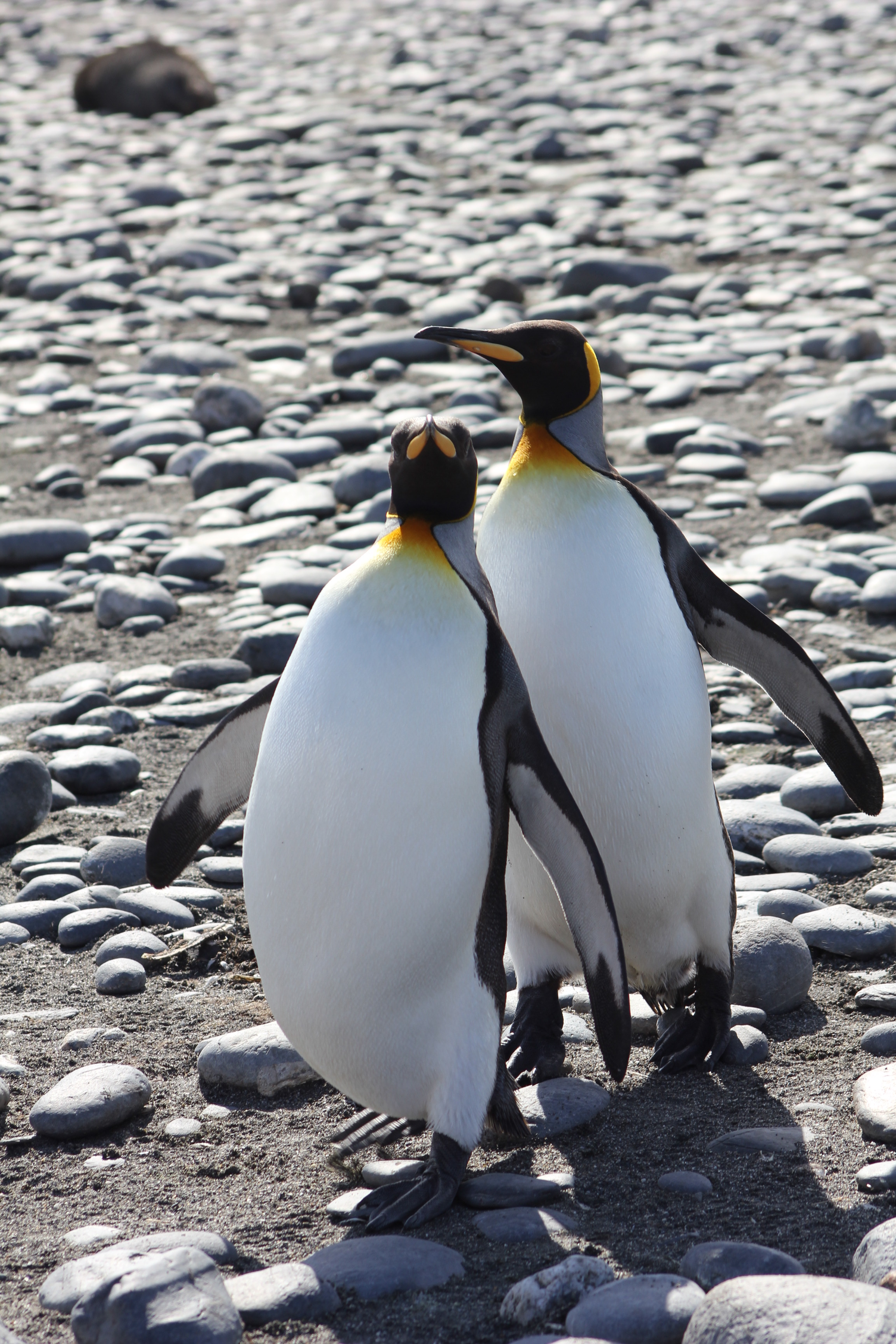
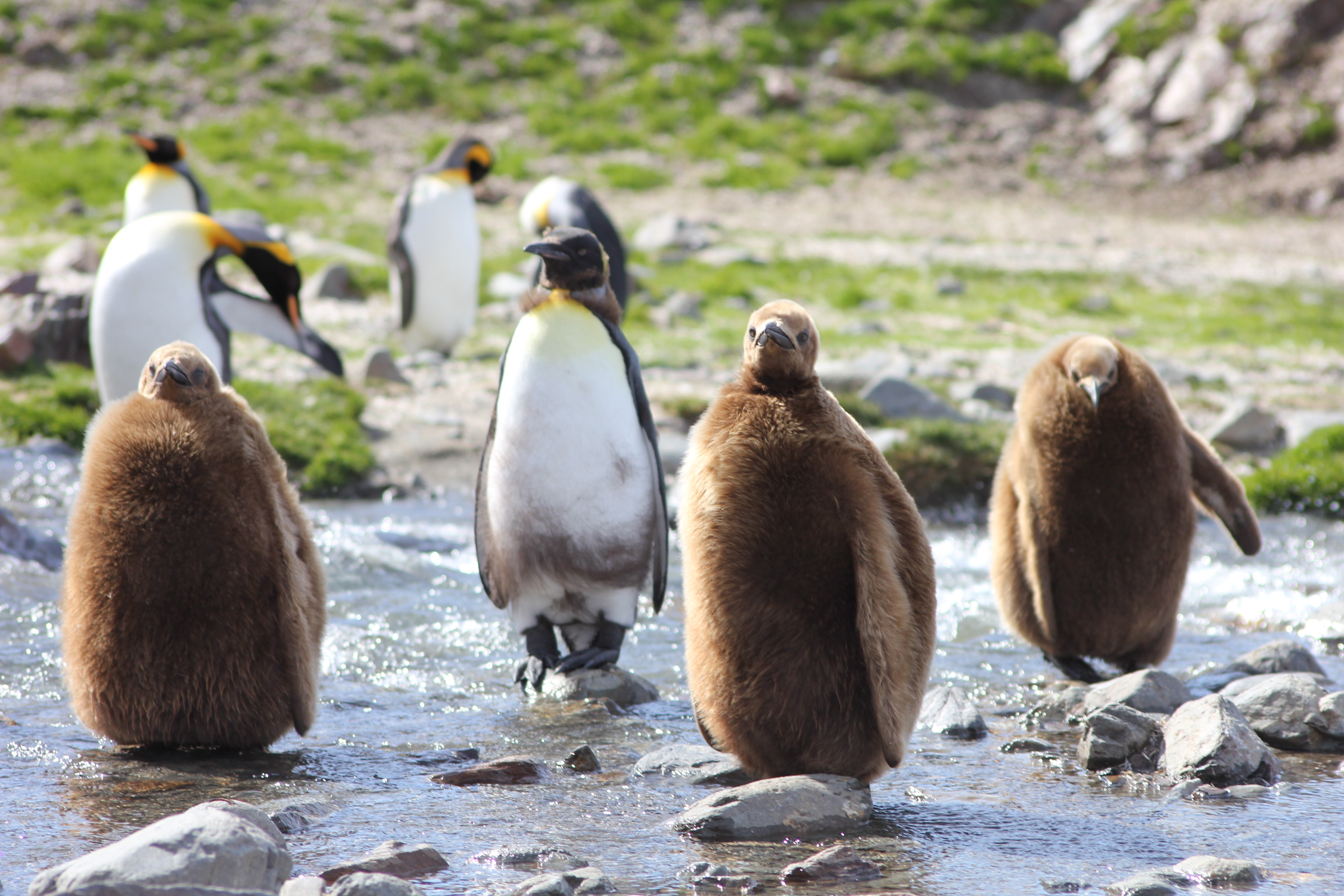
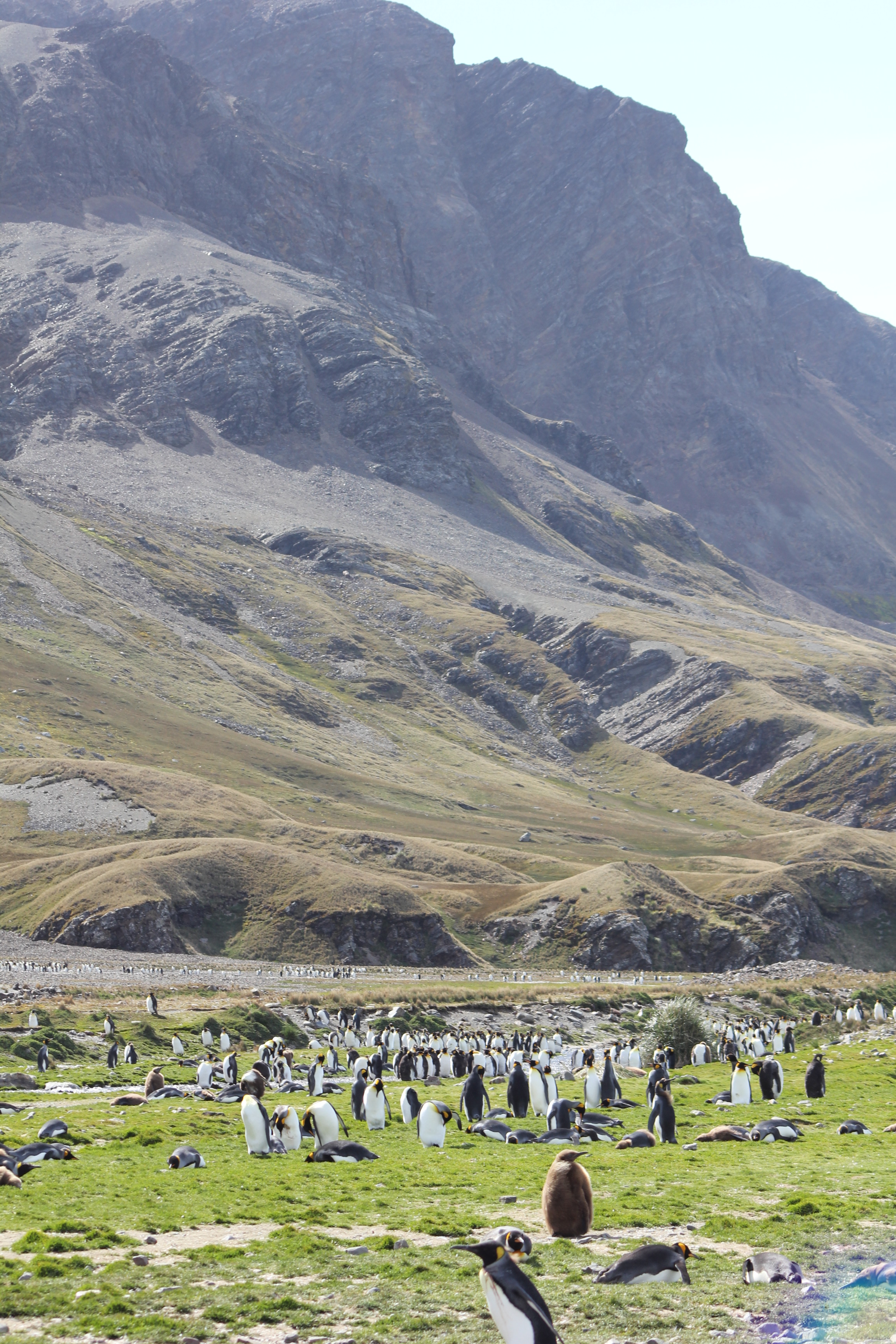
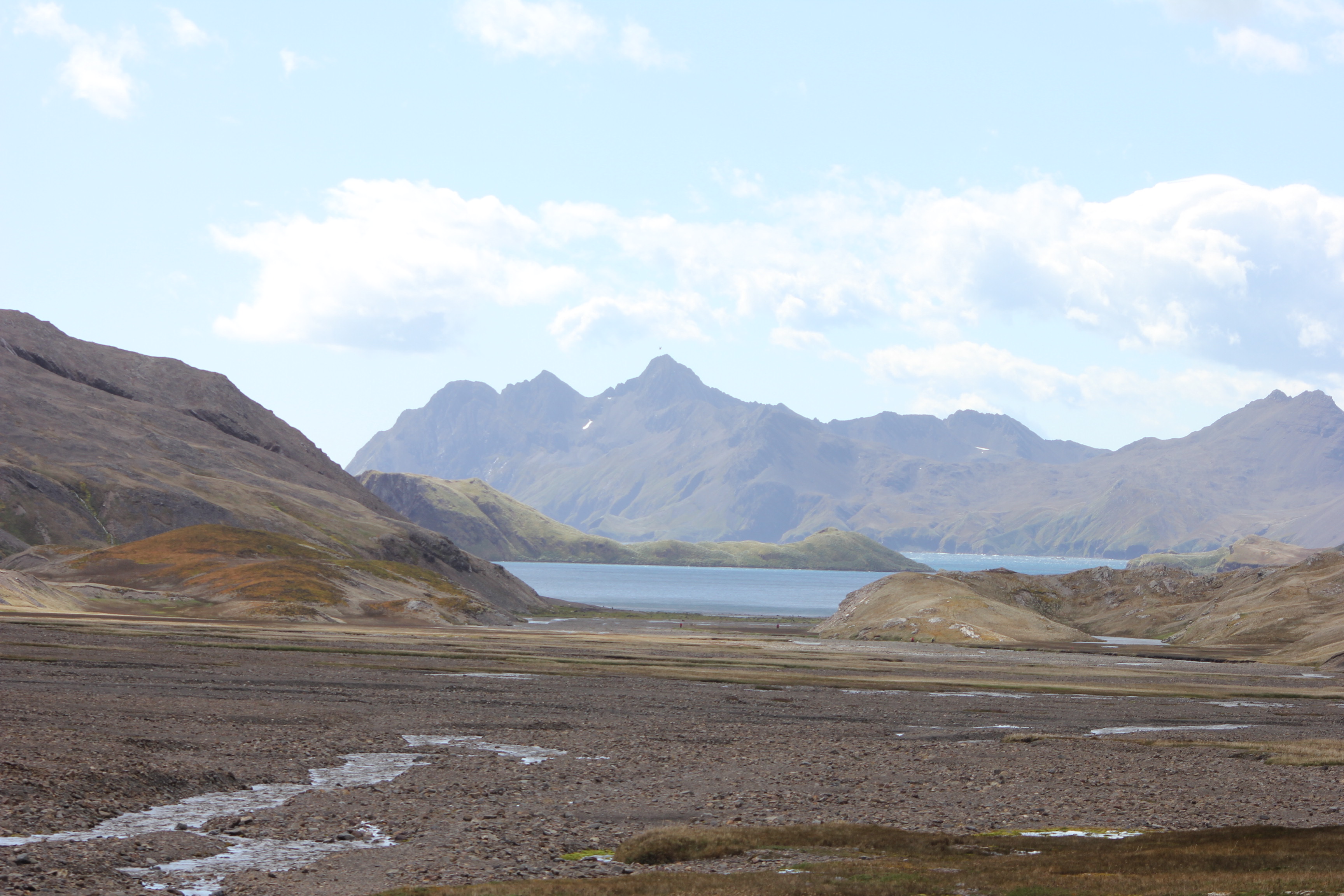
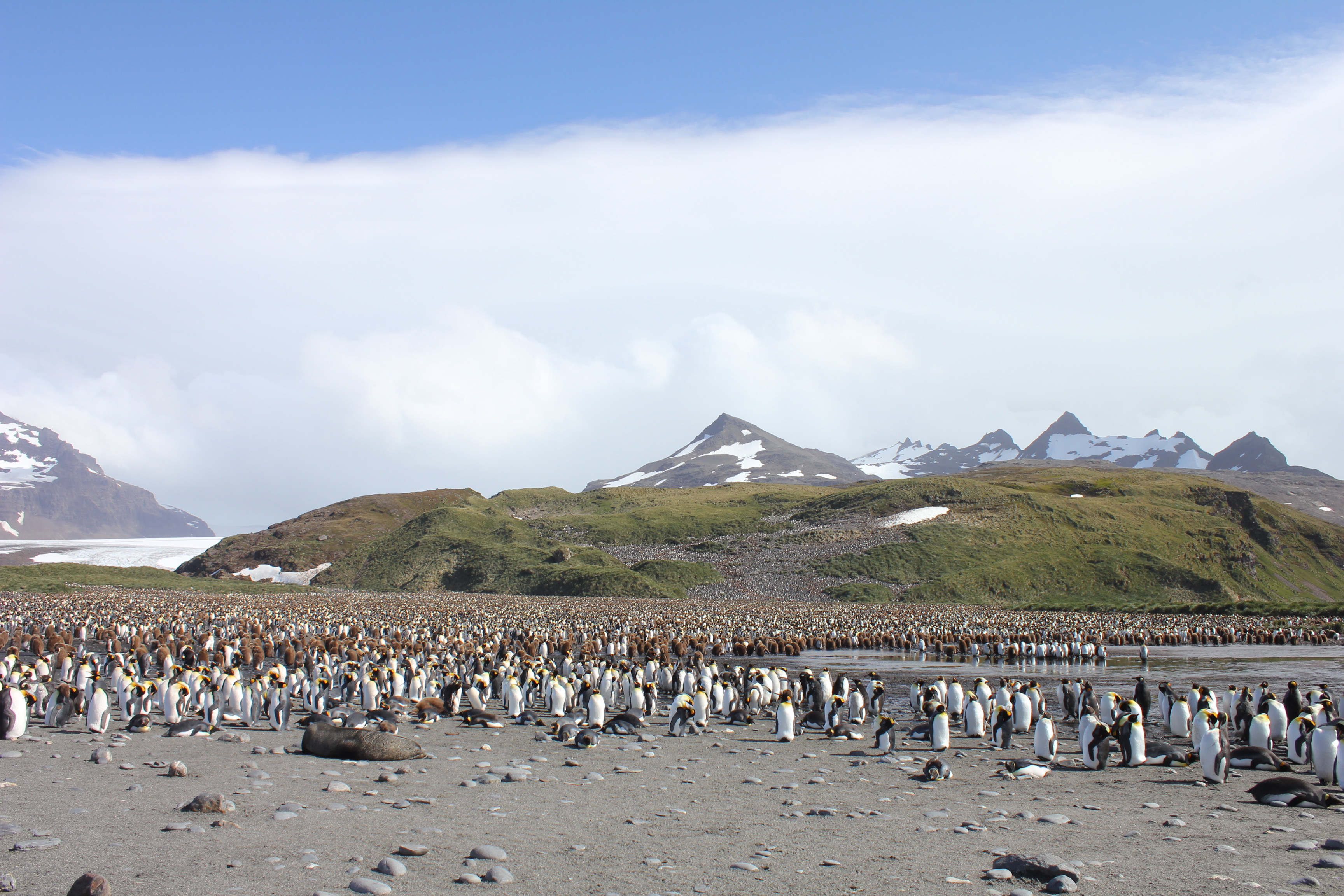
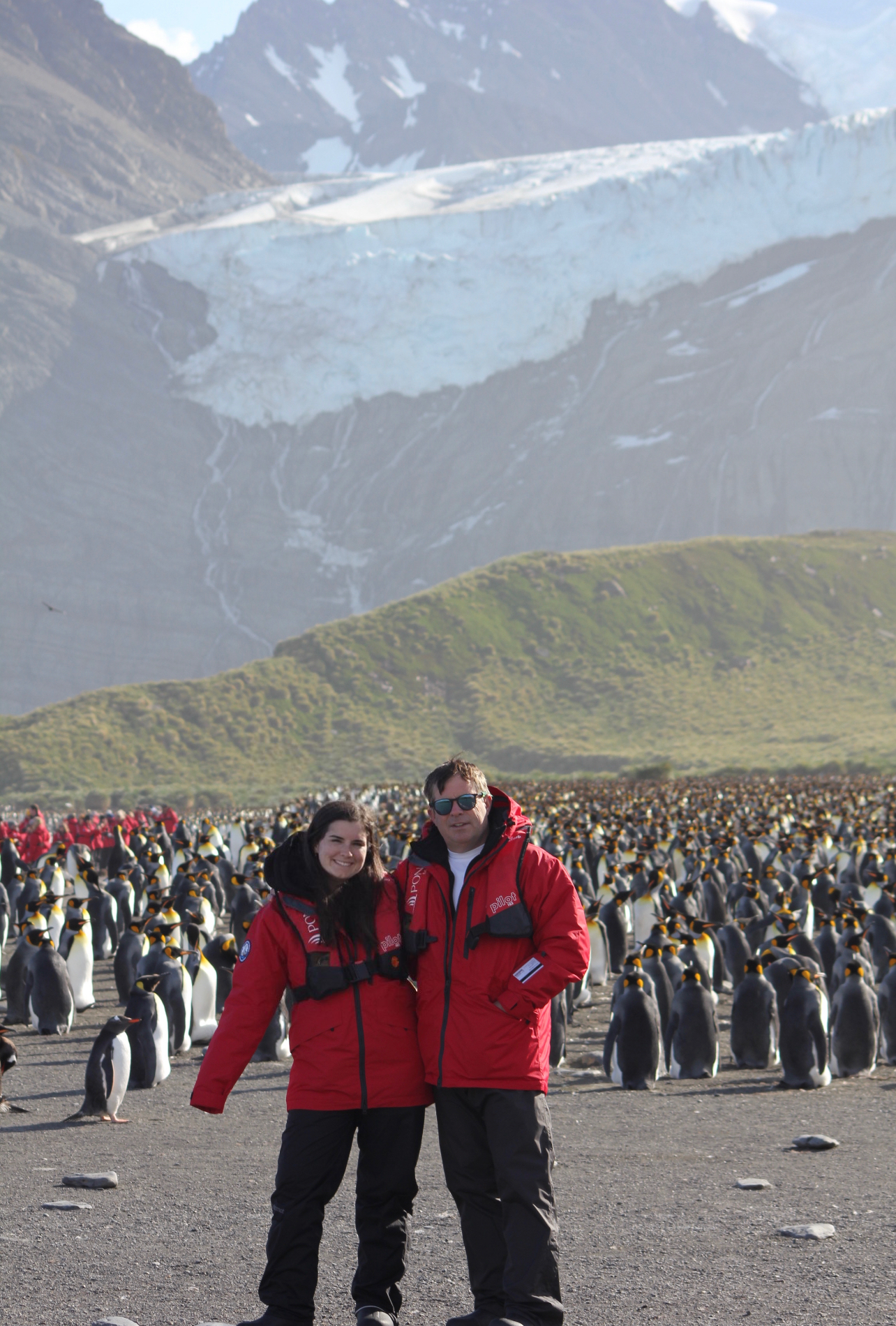
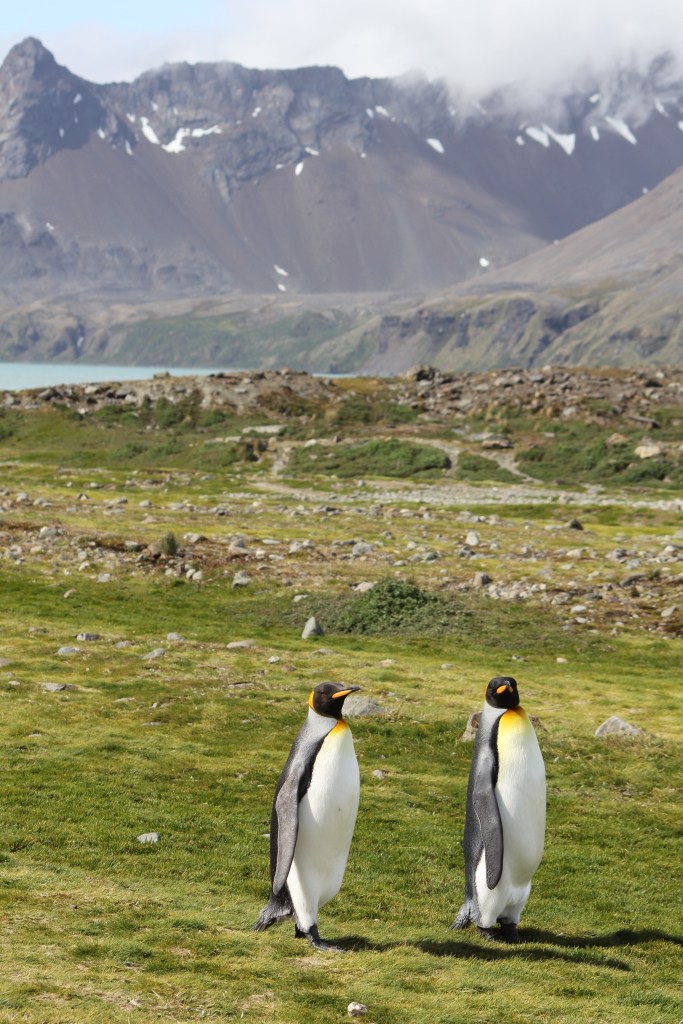
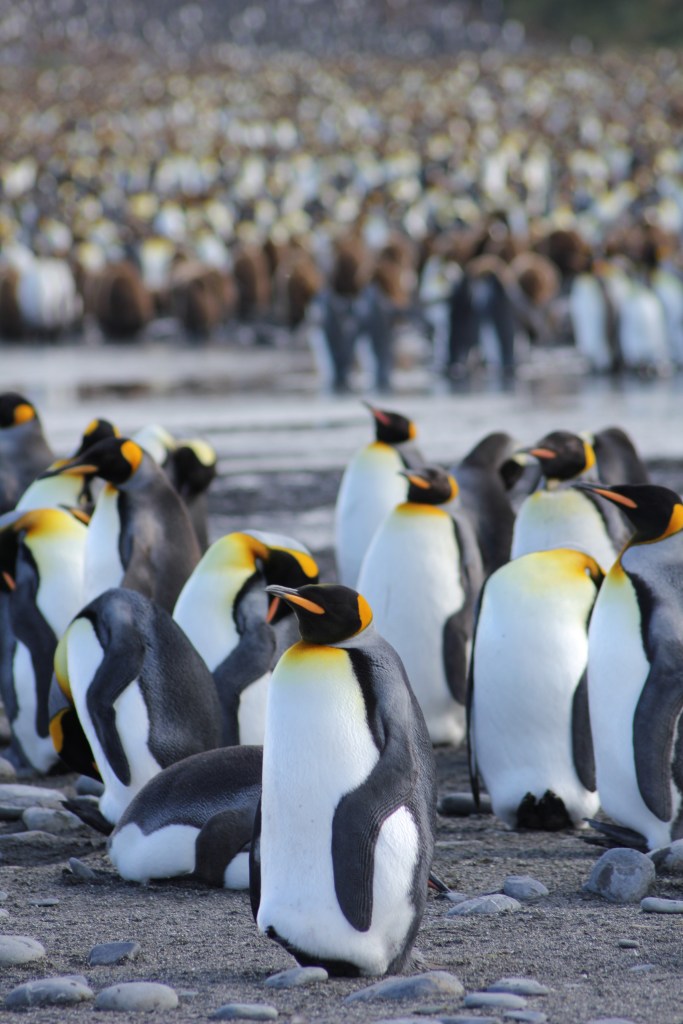
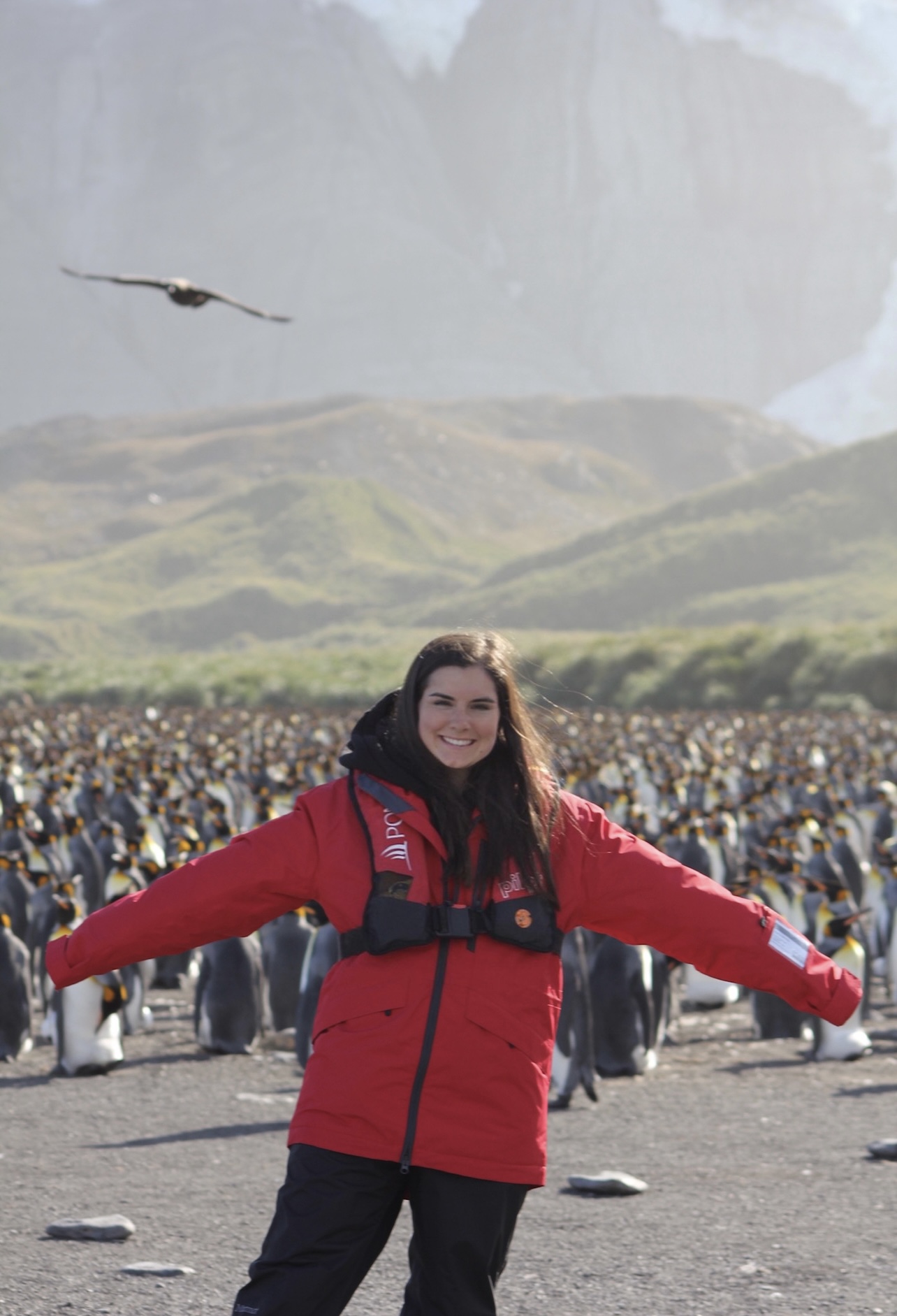
Gold Harbour, the home to more than 25,000 breeding pairs of king penguins, gentoos, and numerous elephant seals, was our first stop in South Georgia. It lies at the foot of the Salvesen Mountains with a long coastline. We were able to walk through the colony of penguins, watching as they waddle beside us and get close enough to touch. As cute as they are, they did smell horrible, often leaving us covering our noses. I’d happily cover my nose for hours again if it meant seeing this view.
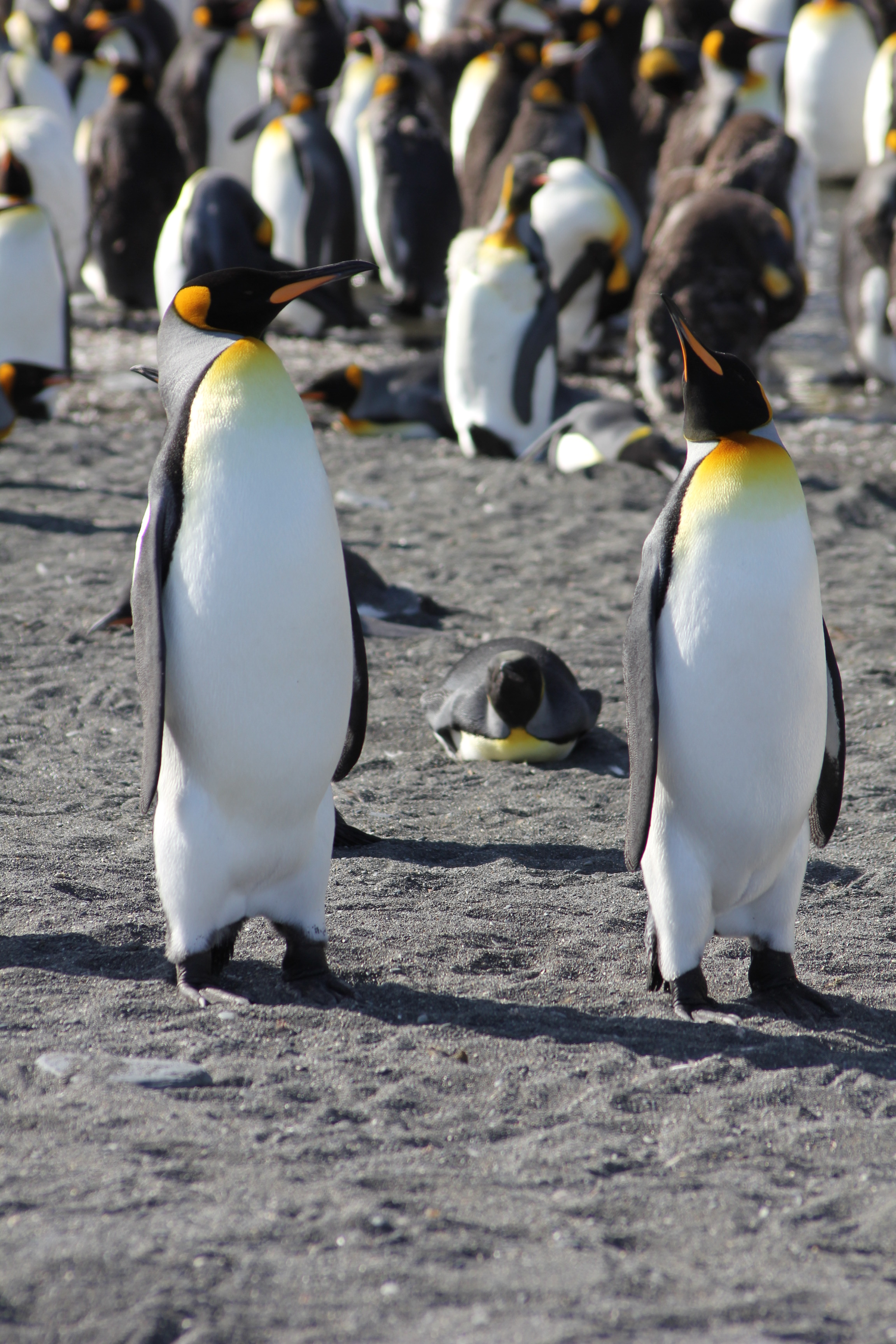
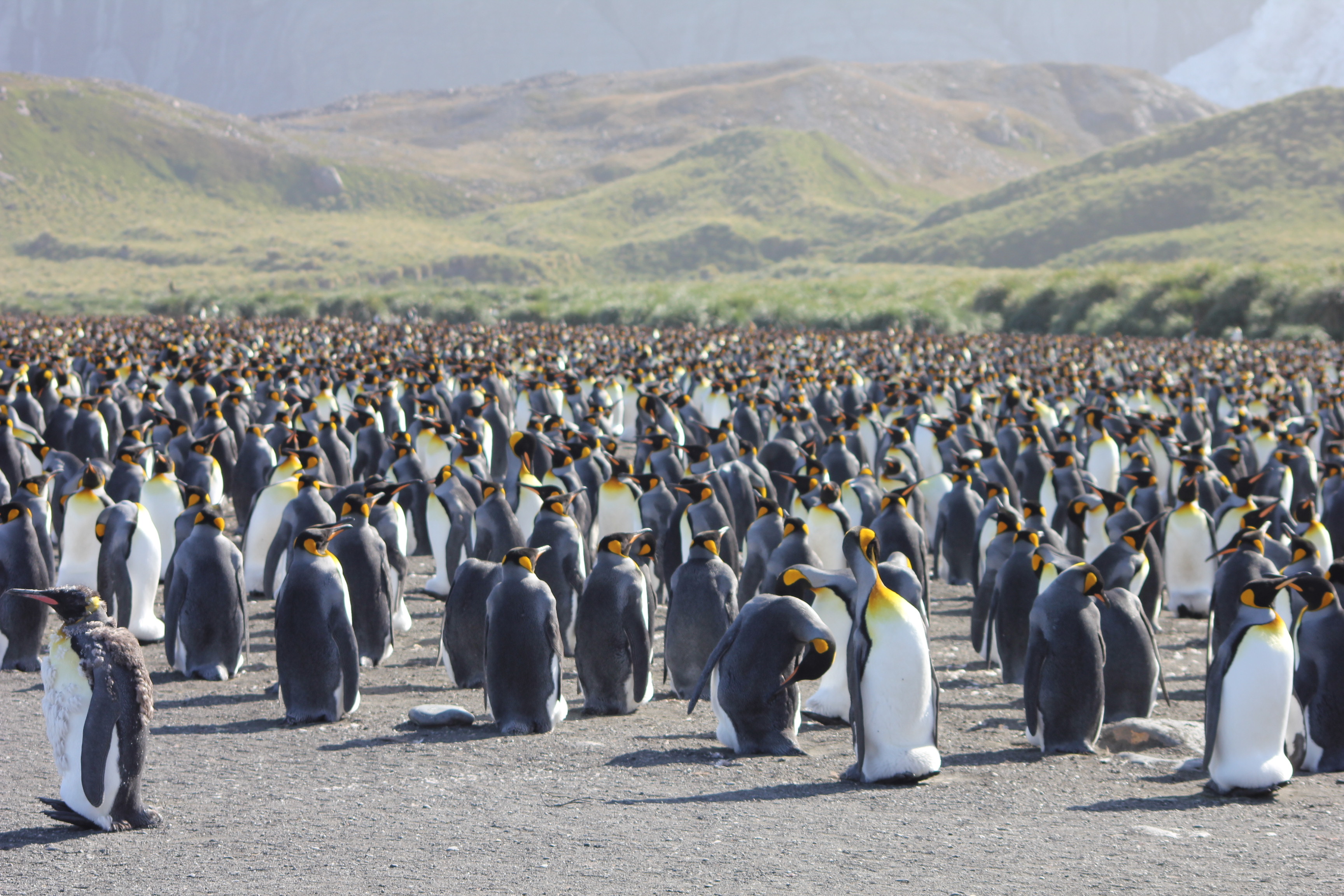

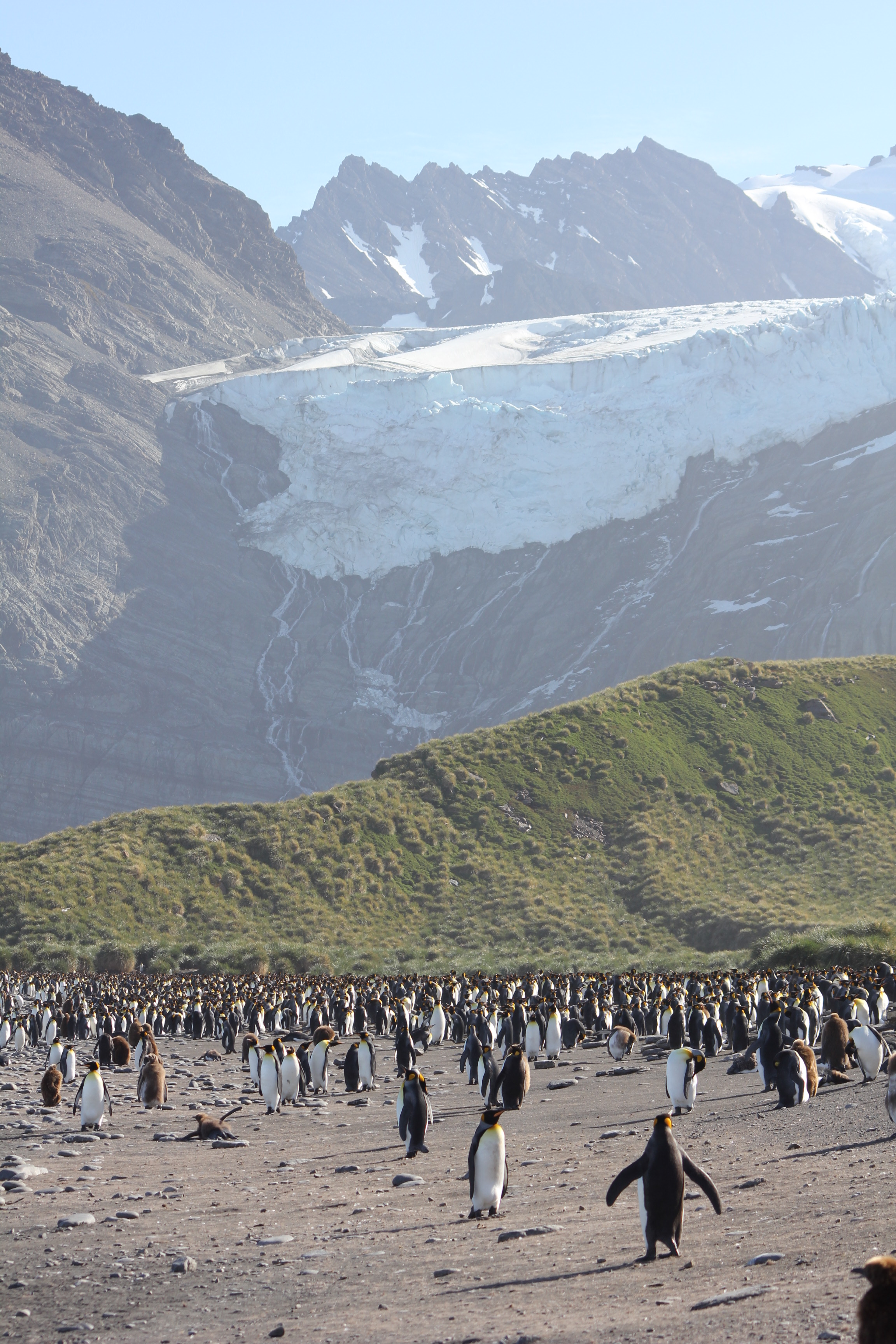



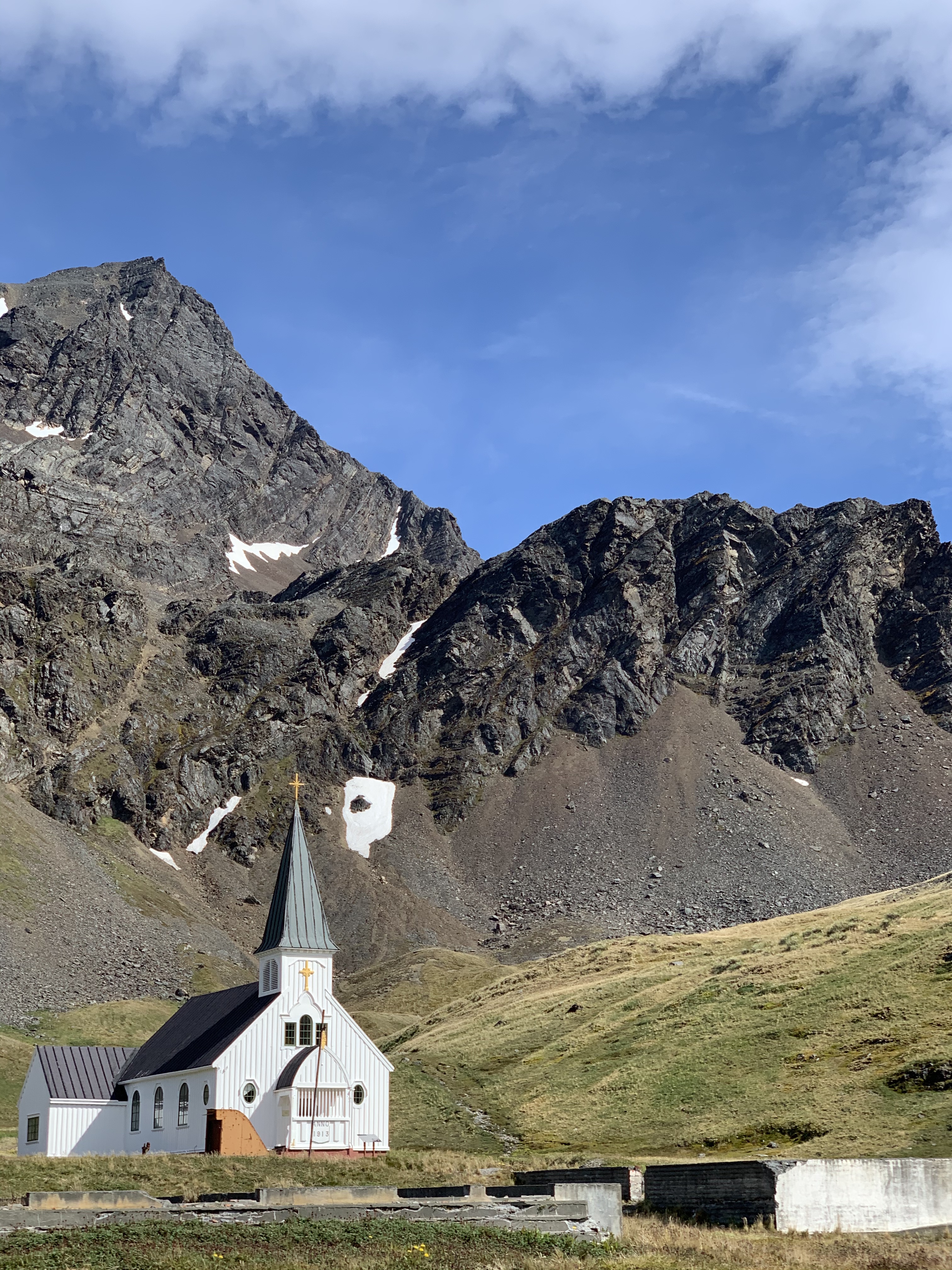
A very special landing point in South Georgia was Grytviken, a former whaling station and the largest settlement on the island. Grytviken is the one place on South Georgia still occupied today by the scientists and crew of the British Antarctic Survey. Antarctica’s greatest explorer, Sir Ernest Shackleton, was buried here and it’s also home to The Chapel of the Snows, the Norwegian Anglican Church featured in the movie “Happy Feet”.
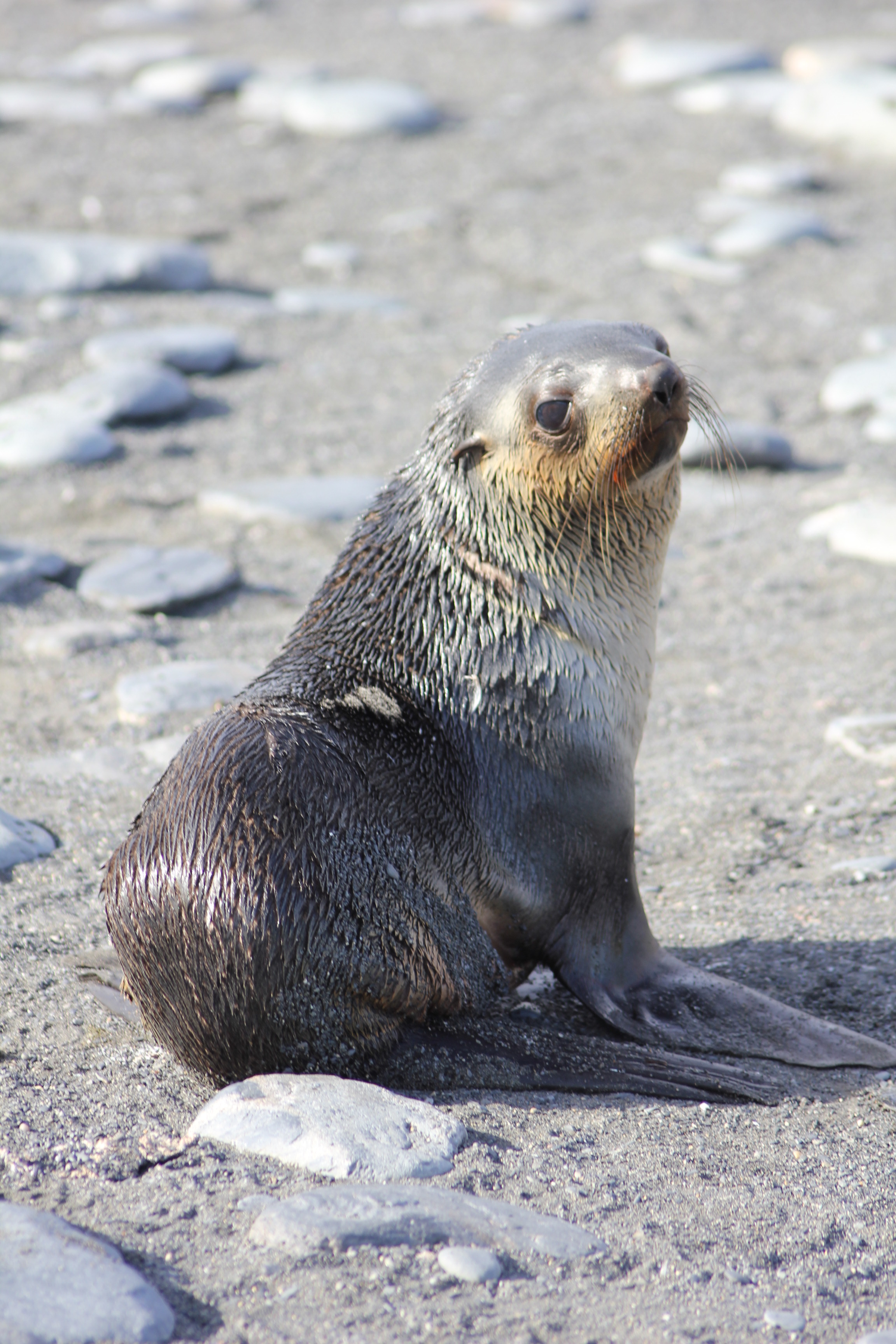
I thought there was no way I could see more penguins and seals, but the South Sandwich Islands proved me wrong. The population of fur seals almost made it impossible to walk anywhere on the islands. Researchers say the population is somewhere over 2-4 million at this point. Being surrounded by fur seals who can become violent if their territory is entered is frightening. We walked with ski-poles for extra safety in case one got too close. A baby seal even tried to tug on my pants which my dad decided to laugh at instead of helping me. Haha.
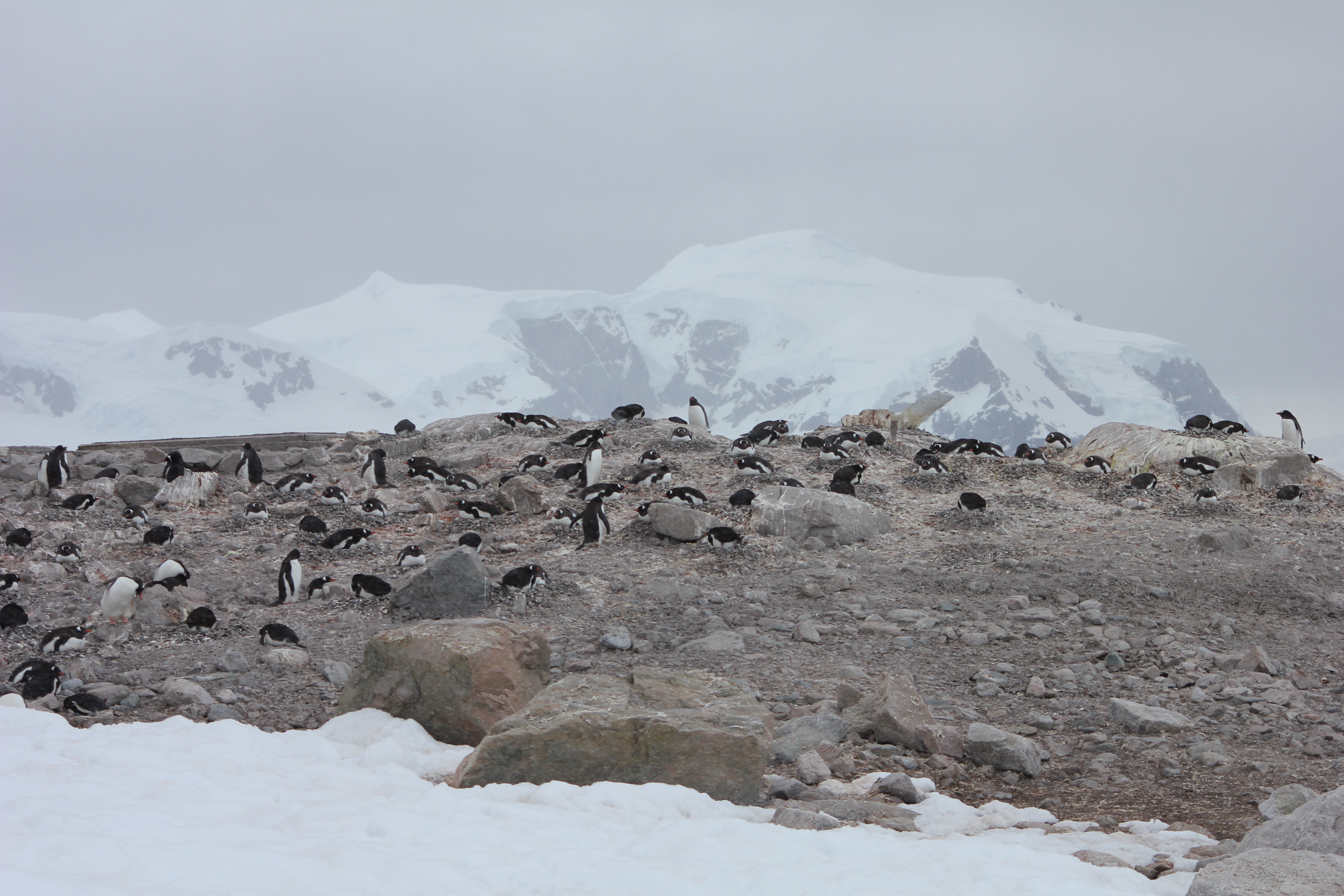
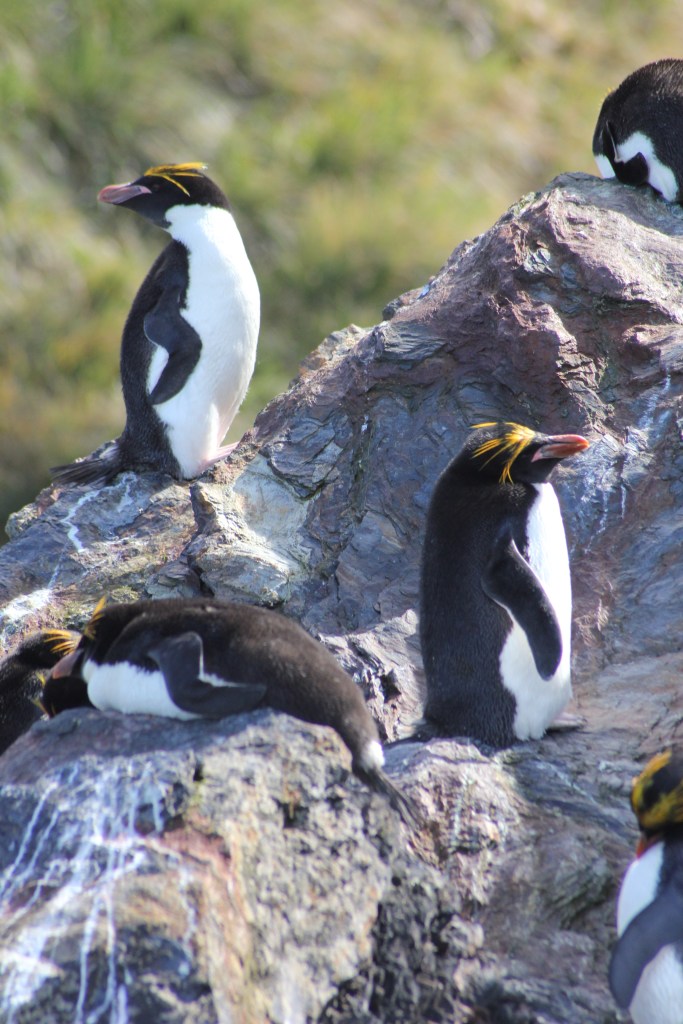
The Islands had more wildlife than we’d seen on the entire trip. The hundreds and thousands of seals and penguins was the most extraordinary site I’ll ever see. My brain still can’t fathom how many penguins there really were. I’ll let the pictures do the rest of the talking.





Day 14-15: The South Atlantic
Whales, seabirds, and other wildlife inhabit the South Atlantic and sightings were everywhere. We sailed past the islands of Shag Rocks to make it to our final destination.
Day 16: The Falkland Islands
The Falkland Islands are a remote South Atlantic archipelago just to the right of Argentina. The small colorful capital, Stanley, sits on the largest island East Falkland, and is a richly historic place with galleries devoted to maritime exploration, natural history, the 1982 Falklands War and more of the island’s history.

In the morning, we went on an off-road tour to discover the East Falklands coastline and eventually reached North Pond where Magellanic and Gentoo penguins colonize, and sometimes even the odd King Penguin visits.
After our morning excursion, we walked through the charming streets of Stanley before returning to our boat to sail home.
Day 17: At Sea
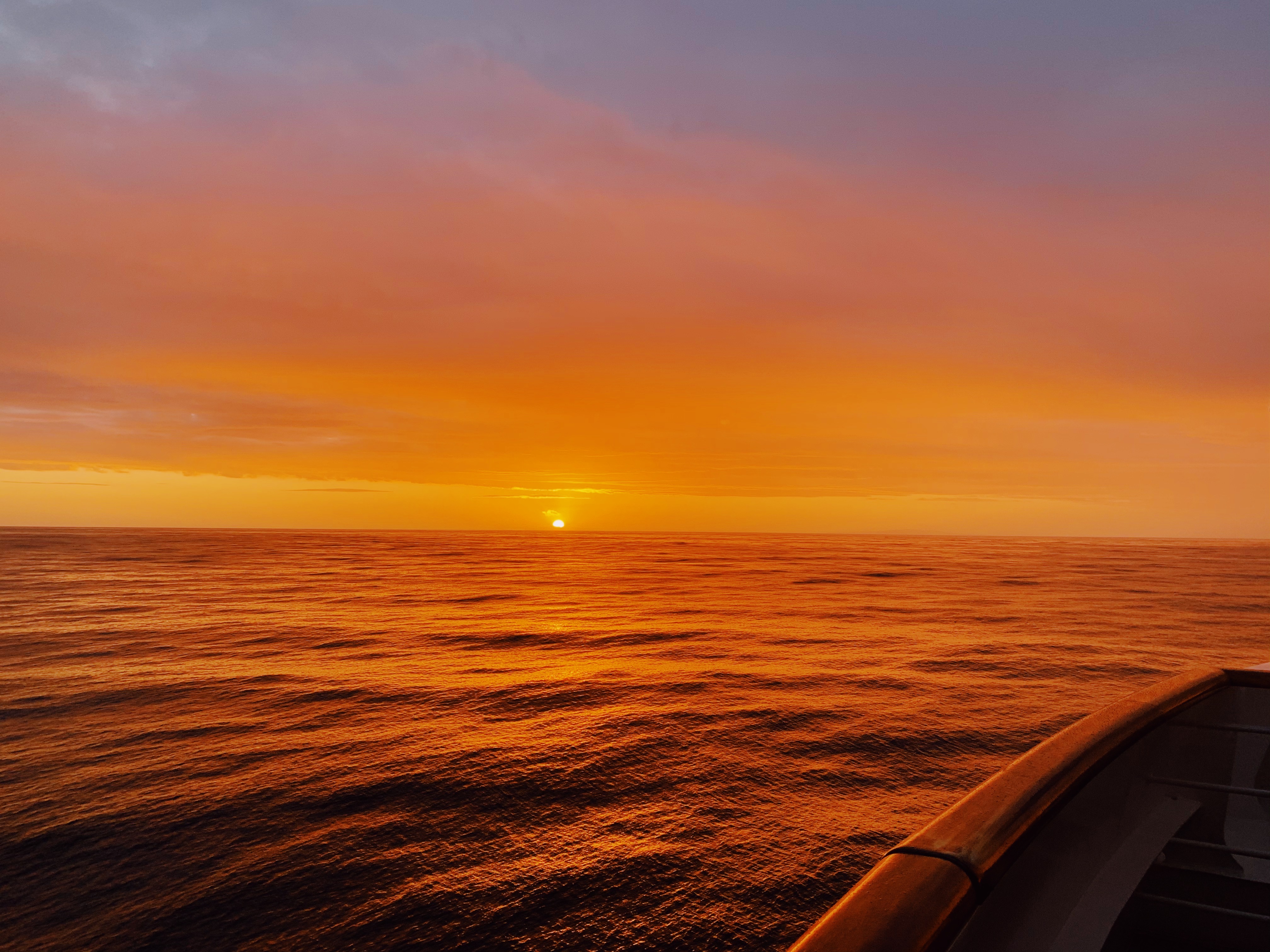
Because there’s 24 hours of daylight in Antartica’s summer solstice, the sun was still shining when it was time for bed most nights. However, sailing back to Ushuaia the last two nights, we were able to catch a sunset. We stayed up super late and it was the most magical sunset I’ll probably ever see in my lifetime. The picture doesn’t do it justice.
Day 18: Disembark in Ushuaia
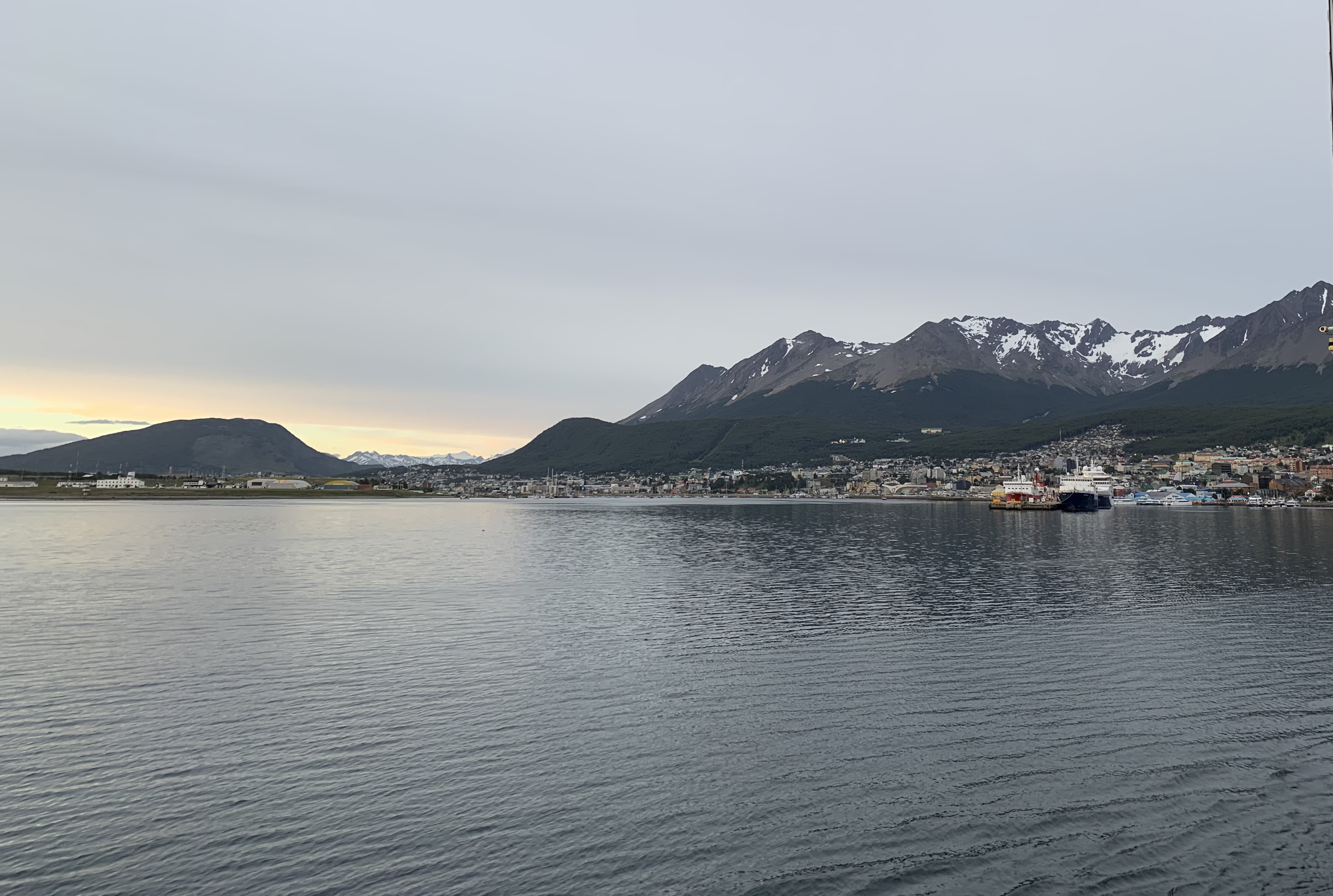
Cruising into the Beagle Channel the last morning was so bittersweet. We were feeling so many emotions; we’ve just experienced things beyond our wildest thoughts and adventured to a place that most people won’t be able to, but we were ready to go home to our friends and family to share all our knowledge, photos, and memories. I remember that morning like it was yesterday.
I’ve read that visiting Antarctica has the ability to change you as a person, and I honestly believe it did. I’m incredibly grateful to have been able to visit this remarkable continent but also learn so much about how we as humans rely on it to survive.
I will forever cherish the friendships I made on Le Lyrial and throughout this journey. Thank you to my dad who was the best travel buddy.
This truly was the adventure of a lifetime.



If you have any thoughts or questions about Antartica, please leave a comment below.
 THE WATERS EDIT
Thank you Sydney for such a wonderful recap! I’m excited to experience this journey in 2023!
LikeLike
Excellent job describing these truly special places of the world. It’s so important for us to maintain this pristine environment. The picture showing all those penguins was unbelievable! Can’t wait to get that close to the whales when I go there myself next year !
LikeLike